
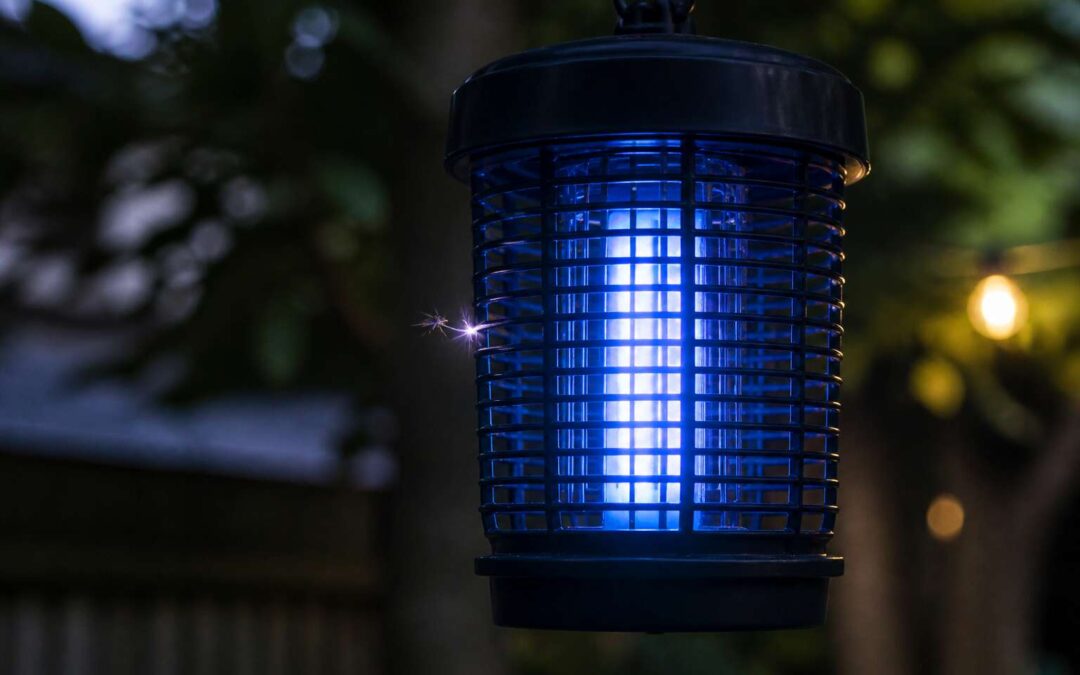
Understanding Why Your Device Zaps Frequently
Electrical Interference and False Triggers
Electrical interference is a silent saboteur. When a nearby appliance or power line emits harmonics, the bug zapper keeps zapping at nothing visible. The internal sensor misreads these fluctuations as prey, triggering a discharge that empties the grid.
False triggers also stem from reflective surfaces. Sunlight bouncing off wet leaves or metal objects can mimic the ultraviolet spectrum of insects. The circuitry reacts instantly, delivering a spark that serves no purpose. Humidity adds another layer of complexity, as moisture alters conductivity and amplifies phantom signals. In such conditions, the bug zapper keeps zapping far beyond what the actual insect population warrants.
Common sources include:
– Refrigerators cycling on and off
– WiFi routers transmitting strong pulses
– Overhead power lines carrying variable loads
Understanding these culprits helps you diagnose the issue without replacing a perfectly functional unit.
Attractant Effectiveness and Local Insect Population
Every night, the ultraviolet lamp hums with conviction, yet the bug zapper keeps zapping long after the insects have gone to roost. The truth lies in what attracts and who actually arrives. My unit in Durban fires relentlessly during the mango blossom season because the local midge population explodes overnight, not because the grid is faulty.
Attractant effectiveness shifts with the species. A zapper built for northern hemisphere mosquitoes struggles with the egg-laying drivers of African floodwater species. Those insects respond to heat and lactic acid more than to light, so your device becomes a random sparkler in the dark. When I moved the unit away from a flowering aloe, the strike rate dropped by half within a week.
Local insect population dictates the frequency. Rain follows the summer solstice, and with it comes a hatch that overwhelms any bulb’s reach. Count the adjacent breeding sources:
- Open rain barrels
- Birdbaths that never dry
- Blocked gutters holding streams
Placement Issues That Reduce Efficiency
Often, the issue is not the machine but where you have placed it. A bug zapper keeps zapping because the grid is reacting to activity within its small kingdom. Mounted high under the eaves, the light beam never reaches the ground where mosquitoes hunt. The device becomes a sentinel for moths and beetles, while the biting insects continue breeding unnoticed nearby. This placement issue reduces efficiency because the most problematic species rarely fly into the elevated bulb’s narrow halo.
Even the surrounding architecture plays a role. A unit positioned near pale walls or reflective windows creates an optical illusion of a larger territory. The zapper fires at insects circling the whitewash, not the actual light source.
Some environmental factors trigger the discharge more than others:
– Wall shadows that conceal resting insects until they brush the outer grid
– Airflow from ventilation systems pushing lightweight gnats into the metal mesh
– Vibrations from passing traffic causing debris to shake loose into the electrified zone
Moving the unit so the bulb sits at ground level and faces an open lawn often clarifies the situation. The bug zapper keeps zapping because the sensor for movement is overwhelmed by the very things you cannot see. The light is diluted by porch lamps and streetlights in the distance, so the device becomes a secondary spectacle. The sparking continues because the machine cannot distinguish between a pest and a passing breeze.
Competing Light Sources in the Vicinity
Your bug zapper keeps zapping because it is fighting every other light source on the property. A bright security lamp or pool light pulls insects away from the UV bulb before they reach the grid. Activity near the periphery triggers the discharge repeatedly.
At dusk, the zapper’s UV light should be the strongest signal in the area. When a nearby light emits a more visible wavelength, moths circle that light instead. In my experience, the zapper keeps zapping at scattered insects, but the kill rate drops.
The main culprits:
- Security lights with motion sensors that startle insects into the grid
- Warm white porch lights closer to eye level than the zapper
- Neighbouring garden lighting that fragments insect traffic
Each competing source creates its own zone of attraction. The zapper fires at the fringe activity, which explains the constant sparking.
Troubleshooting Steps for Persistent Zapping
Inspecting the High-Voltage Grid for Debris
A bug zapper keeps zapping for many reasons, but few are as maddening as a persistent crackle that never seems to attract a single mosquito. When the device refuses to go quiet, it often means the high voltage grid has become a stage for a very small, very dead drama. The grid is designed to complete a circuit only when an insect bridges the gap. But a build-up of moth scales, spider silk, or the desiccated remains of previous victims can create a conductive path that mimics an intruder, causing the machine to discharge its energy into nothing but air and ash.
This constant firing is not just a nuisance. It wears down the internal components and significantly reduces the unit’s useful lifespan. The debris acts as a resistor, generating heat and burning onto the metal surface, which makes the problem progressively worse. To break this cycle of futility, you must physically interrupt the circuit. Here is the most effective method:
1. Disconnect the zapper from any power source and wait at least ten minutes for the capacitors to discharge.
2. Using a stiff brush, ideally a nylon bristle brush, gently sweep the grid rods vertically to dislodge loose chitin and webbing.
3. For stubborn, carbonized spots, carefully scrape the residue with a wooden toothpick or a folded piece of fine sandpaper, avoiding any pressure that might bend the wire.
4. Finish by wiping the entire grid with a dry, lint free cloth to remove any lingering microscopic particles.
After this cleaning, you should notice the frantic snapping immediately subside to a healthy, intermittent pop. That quiet is the sound of the device working correctly, only responding to genuine, protein rich targets rather than the ghosts of prior kills. It is a small act of maintenance that restores order to a machine designed to bring order to your patio. The silence is your reward for addressing the true cause of the relentless noise.
Verifying Power Supply and Wiring Stability
A bug zapper keeps zapping even after a thorough grid cleaning, which points toward a more fundamental problem: the electricity feeding the device. Many homeowners overlook the power source as the culprit, instead blaming insects that are not there. The machine can create a false trigger when the voltage entering the system is unstable or incorrect. Fluctuations in the current tell the internal circuitry that an insect has bridged the gap, forcing a discharge that serves no purpose. This is common in areas where the local grid experiences heavy demand, particularly during the summer months when air conditioners run constantly.
1. Verify the wall outlet with a multimeter to confirm you are receiving the correct stated voltage.
2. Test the zapper in a different outlet to rule out a faulty socket or a tripped internal breaker.
3. Inspect the entire power cord for kinks, cuts, or signs of rodent chewing that could cause intermittent contact.
4. Check the connection where the cord enters the device, as stress fractures often develop here after years of movement.
South Africans frequently face load shedding, and the subsequent power surge when electricity returns can damage the zapper’s transformer. When that component fails, the unit does not stop operating, it simply operates in a degraded state. You hear constant snapping because the transformer delivers a weak, sputtering arc rather than a clean, decisive discharge. This condition gradually worsens until the device becomes a useless noise maker. A simple voltage test at the terminals will reveal whether the output matches the manufacturer’s specifications, usually printed on the unit’s label. If the reading falls outside the acceptable range, replacement is the only option. Listening to a bug zapper keeps zapping is frustrating, but a quick electrical diagnostic often provides the answer.
Environmental Factors That Increase Zapping
Humidity Levels and Weather Conditions
South African summers bring humidity that transforms an ordinary bug zapper into an overactive machine. Coastal air carries salt and moisture. That combination alters the electrical field around the grid. A bug zapper keeps zapping more frequently during humid evenings because water vapour becomes a conductive bridge between the electrodes. Tiny droplets complete the circuit without any insect present.
Weather conditions matter too. Pre-storm pressure and high dew points create atmospheric charge. Thunderstorms generate static electricity that interferes with the device’s detection threshold. The zapper responds to this ambient charge, producing continuous discharges.
Some conditions intensify the effect:
- Coastal fog with high salt content
- Heavy mist after summer rain
- Relative humidity above 80 percent
These airborne particles mimic the electrical signature of prey. The result is constant zapping all night in an empty yard.
Seasonal Patterns of Flying Insects
Spring in the Highveld changes the insect population overnight. Harvester termites take flight after the first soaking rains, and their alates gather around every porch light. A bug zapper keeps zapping through these swarms because the air itself carries thousands of winged bodies. The yard that sat silent in winter becomes active, and the grid discharges without pause.
Summer produces its own sequence. Emerald fruit beetles, longhorn moths and Christmas beetles emerge in waves that follow warm evenings. Most live briefly and urgently. They mate, scatter and die within a handful of nights.
The seasonal calendar clusters around specific triggers:
- First heavy rain after a dry spell
- Sudden warm fronts breaking a cold snap
- Mass flowering of acacia and protea species
These natural pulses determine how often a bug zapper keeps zapping across the year.
Nearby Vegetation and Standing Water
Water changes everything. A shallow puddle, a bird bath, or a blocked gutter turns a yard into a breeding zone. Nearby vegetation adds shelter, and together they hold the moisture that flying insects need. A bug zapper keeps zapping near these spots because the insects never truly leave.
I have seen this pattern repeat across different properties. The insects cluster where the ground stays damp and dark, not in the open.
- Overgrown shrubs resting against the wall
- Uncovered rain barrels or dripping taps
- Lawn that stays sodden after irrigation
These elements create a microclimate of their own. The unit responds to the density of activity around it.
Maintenance Practices to Optimize Performance
Cleaning the Collection Tray and Grid Regularly
When the collection tray fills with insect remains, the grid cannot discharge properly. This buildup creates a constant hum and a bug zapper keeps zapping without stopping. A clean tray allows the electrical charge to reset between strikes, which is the difference between a single pop and a relentless crackle.
The grid itself demands attention too. A thin film of grease or dust acts as an insulator, forcing the device to work harder and overheat. In coastal areas of South Africa, salt spray accelerates this residue. Regular wiping with a dry cloth prevents the buildup from becoming a conductor for false triggers.
For routine upkeep, consider these signs of neglect:
- Visible piles of carcasses touching the grid
- Discoloured or sticky surfaces on the tray
- A prolonged buzzing sound after each kill
Addressing these signs restores the zapper’s rhythm. The device will only fire when an actual insect bridges the gap, not from random voltage leaks caused by grime.
Replacing Bulbs and Worn Components
Ultraviolet bulbs lose their emitted wavelength long before they stop glowing. This is a paradox that tricks many homeowners. The lamp still casts light, but the spectrum shifts beyond the range that attracts insects. A bug zapper keeps zapping at moths and beetles that wander past, yet the device never reaches the mosquitoes you actually want gone. Replacing bulbs annually, or after 3,000 hours of use, prevents this silent failure. A worn bulb makes the bug zapper keeps zapping without discrimination, wasting energy on the wrong pests.
Worn components matter equally. Photocells degrade from constant sun exposure in the Karoo and the Highveld. A faulty photocell holds the grid at full charge during daylight, which forces continuous arcing. Loose transformer connections produce the same result.
Check these wear points during routine service:
– Bulb ends with blackened glass
– Cracks in the transformer housing
– Corroded photocell terminals
A unit with fresh bulbs and sound wiring fires only when an insect makes contact.
Adjusting Placement for Maximum Coverage
Observing where a bug zapper keeps zapping is the first step in correcting its aim. A unit mounted too high loses contact with ground-dwelling mosquitoes. One placed near a wall creates a partial vacuum of airflow. Maintenance and placement are inseparable actions.
Adjust the mounting height to roughly two meters, where daytime heat and evening moisture meet. Angle the grid toward open flight paths and away from reflective windows. Then consider the power source, because a long extension cord can cause voltage drop that weakens the arc.
- Rotate the unit fifteen degrees every month to prevent directional bias.
- Check that screws on the suspension bracket remain tight after windy Highveld storms.
When the bug zapper keeps zapping at the same spot each night, it reveals a truth about that location. Move the device ten meters and observe the change. The true measure of performance is not how often the grid fires, but how seldom it fires without purpose.
Establishing a Routine Maintenance Schedule
Most homeowners assume a bug zapper keeps zapping until the bulb dies. The truth is subtler. A unit that fires too often or too rarely signals drift in its internal timing. Establishing a routine maintenance schedule prevents that drift from becoming a permanent fault.
Set a fixed weekday for inspection. Durban’s humid air corrodes contacts faster than Johannesburg’s dry winters, so your calendar should follow your climate. During peak mosquito months, check the unit twice monthly. In cooler seasons, once every six weeks suffices.
- Track strike frequency in a simple notebook or phone note.
- Log weather events, especially thunderstorms that stress the circuitry.
- Record any change in the sound of the arc.
When a bug zapper keeps zapping at odd hours, compare the log against recent rainfall or nearby construction. The pattern reveals whether the device needs adjustment or simply attention. A disciplined schedule turns an erratic appliance into a predictable tool.
When to Consider Repair or Replacement
Signs of Electrical Malfunction and Safety Hazards
A persistent crackle from an otherwise clean grid is not a victory; it is a warning. When your bug zapper keeps zapping despite an empty collection tray, the transformer may be pushing excess voltage through a deteriorating circuit.
This is where safety hazards begin. Frayed insulation, melted sockets, or a faint ozone smell after heavy rain all point to electrical malfunction. In South Africa, load shedding creates surges that stress older units beyond their design limits.
- Arcing visible between the grid and outer casing
- A hum that continues when the switch is off
- Burn marks around the power cord entry point
These signs mean the unit is no longer fit for service. Repairing a compromised high-voltage system rarely restores its integrity; replacement eliminates the risk entirely.
Evaluating Repair Costs Against Replacement
The decision to repair a failing unit often feels like a practical choice. In South Africa, where load shedding and power surges are regular occurrences, the internal components degrade faster than manufacturers anticipate. A transformer that struggles to regulate current will eventually fail completely. When your bug zapper keeps zapping with a audible strain, the diagnostic process itself can cost more than the device is worth.
I have seen homeowners spend significant money on replacement parts for a unit that was purchased for a fraction of that amount three years ago. The economics simply do not align. A proper inspection requires time and technical expertise, both of which carry a price tag. Consider the diagnostic questions a technician must answer:
– Is the transformer still delivering consistent voltage?
– Are the grid connections soldered correctly or merely corroded?
– Has moisture compromised the internal wiring insulation?
– Does the unit carry a certification that matches South African safety standards?
A full assessment often reveals that the internal circuitry has suffered irreversible stress. The cost of a new, locally compliant unit with a warranty frequently undercuts the total expense of repairing an aged one. The calculation becomes simpler when you factor in the energy wasted by an inefficient transformer operating under constant strain. The unit that keeps zapping without purpose is burning electricity without delivering pest control value.
Replacement eliminates the uncertainty. A new device brings fresh components, a cleaner grid, and updated safety features designed to handle the current electrical climate. Repairing a high-voltage system that has already shown signs of arcing or burn marks is a gamble. The new unit will also likely attract insects more effectively, solving the original problem instead of merely silencing the noise. When the cost of diagnosis approaches half the price of a replacement, the choice becomes clear. Your peace of mind and your electrical safety depend on making the prudent decision, not the sentimental one.
Modern Features Worth Upgrading To
The old machine will tell you when its time has come. The bug zapper keeps zapping, but the crackle sounds tired, more like a sigh than a strike. Repair makes sense only when the transformer still holds its charge and the grid remains free of scorch marks. Once the housing shows hairline fractures or moisture has crept into the wiring, you are merely delaying the inevitable.
Modern units carry features that older models never dreamed of:
– Pulse-triggered grids that deliver lethal voltage only on direct contact
– Sealed casings built to withstand South African humidity and Highveld storms
– UV LEDs that outlast traditional bulbs and maintain their attractive wavelength for years
These upgrades solve the very problems that kill aging devices. A new unit eliminates the purposeless zapping and brings a kind of quiet that no repair can restore.