
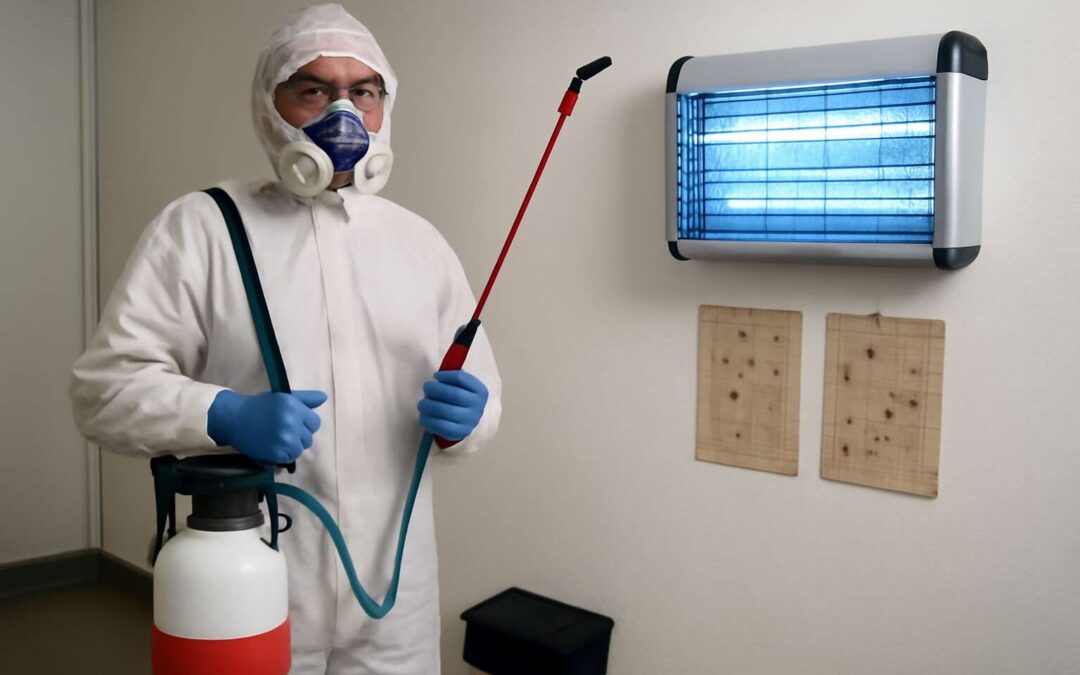
Understanding the Role of an Insect Killer
Job Description and Responsibilities – Exploring typical duties including pest identification, application of insecticides, and customer consultation
In the world of pest control, the insect killer job is more than just spraying and praying. It’s a precise science that demands keen eyes and a steady hand. Did you know that identifying pests accurately can mean the difference between a quick fix and a prolonged infestation? That’s where the heart of the insect killer’s responsibilities lies—pest identification isn’t just a skill; it’s an art.
Once the pest has been correctly identified, the next step involves the careful application of insecticides. This isn’t a one-size-fits-all scenario. Different insects require different treatments—think of it as tailoring a suit, but for bugs. Effective application ensures pests are eradicated without harming the environment or the client’s prized garden. Customer consultation also plays a pivotal role, as insect killers need to explain their methods clearly, ensuring clients are comfortable with the process.
- Inspect the affected areas thoroughly.
- Identify the pest accurately.
- Apply the appropriate insecticide with precision.
- Consult with clients to address concerns and explain procedures.
All in all, the insect killer job combines technical know-how, strategic thinking, and a touch of interpersonal finesse—making it a truly dynamic profession that keeps pests at bay and South Africans safe and pest-free.
Skills and Qualifications Needed – Necessary skills such as knowledge of pests, safe chemical handling, and problem-solving abilities
The insect killer job is not for the faint of heart. It demands a blend of sharp skills, scientific insight, and a knack for problem-solving that borders on the supernatural. In South Africa’s diverse environment, understanding pests’ behavior and biology is crucial—misidentify a pest, and the entire operation could backfire. This profession requires more than just familiarity with chemicals; it calls for meticulous knowledge of safe chemical handling. An insect killer must be able to navigate the delicate balance between effective eradication and environmental safety, often under tight deadlines.
To excel in this field, certain skills are non-negotiable. These include:
- Deep knowledge of pests and their habits
- Safe handling and application of insecticides
- Strong problem-solving abilities to adapt strategies quickly
- Excellent communication skills for client consultation
Mastering these areas transforms a routine insect killer job into a strategic, almost artful profession—one that keeps South Africans safe from the unseen threat of pests.
Work Environment and Typical Settings – Overview of workplaces, including residential, commercial, and agricultural settings
The environment in which an insect killer job takes place is as diverse as South Africa’s ecosystems themselves. From the bustling urban homes to expansive agricultural lands, each setting demands a unique approach. Residential areas require discreet, efficient pest control that balances safety with swift results. Commercial properties, such as restaurants and warehouses, often face tighter deadlines and higher standards, making precision and professionalism paramount. Agricultural settings, on the other hand, challenge insect killers to protect crops while minimizing environmental impact.
Understanding the work environment is crucial for success in this field. Whether working indoors or outdoors, insect killers must adapt their strategies to the specific challenges of each setting. The stakes are high; a single misstep can lead to ineffective pest eradication or unintended ecological consequences. This is what transforms the insect killer job from a routine task into an art form—demanding expert knowledge and unwavering attention to detail.
Insect Killer Career Paths and Opportunities
Entry-Level Positions – Starting roles and training opportunities for beginners
Entering the insect killer job market can be surprisingly accessible, especially for those willing to learn and adapt. Many companies offer entry-level positions that serve as a stepping stone into the pest control industry. These roles often require minimal prior experience but emphasize on-the-job training, allowing beginners to develop essential skills quickly. Starting roles typically involve assisting senior technicians with pest identification, applying insecticides safely, and learning proper equipment handling.
For those eager to grow their career, there are numerous opportunities to specialize or advance within the insect killer job sector. Many employers provide certification programs and ongoing training that deepen knowledge of pest behavior, chemical safety, and customer service techniques. In the South African context, this career path can lead to roles in urban pest management, agricultural pest control, or even consultancy, broadening your professional horizon.
- Gain foundational experience through entry-level positions
- Participate in training programs offered by pest control companies
- Develop specialized skills in chemical handling and pest identification
- Explore advancement opportunities into supervisory or consulting roles
Specialized Roles and Certifications – Advanced positions requiring certifications, such as pest management technician or entomologist
Embarking on an insect killer job can be the gateway to a realm of specialized roles and rewarding career opportunities. As your expertise deepens, so does the potential to ascend into positions that demand advanced certifications and specialized knowledge. For instance, becoming a pest management technician or an entomologist transforms your role from basic pest control to a scientific pursuit of understanding insect behavior and ecological impact.
These advanced positions often require formal certifications, which serve as the passport to higher-level responsibilities and greater professional recognition. Certification programs in South Africa focus on chemical safety, pest biology, and integrated pest management strategies, equipping you with the tools to tackle complex pest problems effectively. With such credentials, you can explore opportunities in consultancy, urban pest management, or agricultural pest control, broadening your horizons within the insect killer job sector.
In fact, many employers also value continuous learning, offering ongoing training that enhances your skillset and keeps you ahead in this dynamic field. Whether working in residential settings or large-scale agricultural environments, these specialized roles allow insect killers to carve a niche in a thriving industry, turning a simple job into a lifelong career of discovery and impact.
Advancement and Career Growth – Potential career progression routes within pest control industry
Within the realm of the insect killer job, career pathways unfold like a well-mapped trail through a thriving ecosystem. From humble beginnings as a pest control technician, ambitious professionals can ascend into more specialized and lucrative roles. These opportunities not only enhance skill sets but also elevate professional stature within the pest management industry.
Advancement often hinges on acquiring advanced certifications that unlock higher responsibilities. For example, becoming a certified entomologist or a senior pest management consultant can position you as an authority in insect behavior and ecological impact. Such roles often involve strategic planning, complex pest identification, and innovative application of pest control techniques.
Progression routes within the insect killer job sector may include:
- Senior Pest Control Technician
- Urban Pest Management Specialist
- Consultant or Pest Management Advisor
- Research Scientist or Entomologist
Each step not only promises increased remuneration but also the chance to influence pest control practices on a broader scale. As the industry evolves, so too do the opportunities for those who seek to deepen their expertise and carve a niche in this dynamic field of insect killer jobs—where passion meets profession and career growth is truly organic.
Essential Skills and Qualities for Success
Knowledge of Pest Behavior and Control Methods – Understanding pest life cycles and integrated pest management techniques
Understanding pest behavior and control methods is the backbone of a successful insect killer job. Mastering insect life cycles— from egg to larva, pupa, and adult—provides invaluable insight into when and how pests are most vulnerable. This knowledge allows insect killers to optimize treatment timing and select the most effective pest control methods, ensuring maximum impact with minimal chemical use.
Equally vital is familiarity with integrated pest management techniques. These encompass a balanced combination of biological controls, habitat modification, and targeted insecticide application. Such strategies not only eradicate pests efficiently but also promote environmentally conscious practices, which are increasingly important in South Africa’s diverse ecosystems.
In the realm of insect killer jobs, possessing a nuanced understanding of pest behavior and control methods elevates one’s ability to provide tailored solutions. It’s a skill that transforms routine pest control into a science— a vital component of safeguarding homes, businesses, and agricultural assets from the relentless march of pests.
Safety and Chemical Handling – Importance of safety protocols and proper chemical application
In the shadowed corridors of pest control, safety is the sacred oath that every insect killer job demands. The unseen threats lurking within chemical compounds can turn lethal if mishandled—making meticulous adherence to safety protocols paramount. Proper chemical application is not merely a skill but a ritual, guarding both the pest controller and the sanctity of the environment.
Employers and seasoned specialists alike stress that personal protective equipment—gloves, masks, and goggles—are your armor against the invisible dangers. When wielding chemicals, precision is king; a single misstep can turn a routine insect killer job into a tragedy. That’s why understanding the intricacies of chemical handling and storage elevates a technician from mere practitioner to guardian of safety.
In South Africa’s diverse ecosystems, the importance of safety and chemical handling in the insect killer job cannot be overstated. It’s a dance of caution and expertise, ensuring that pest eradication does not come at the expense of health or the environment. Vigilance, training, and a respect for the potent substances involved create a fortress of safety—an essential realm for any aspiring pest control professional.
Customer Service and Communication Skills – Effectively interacting with clients and handling inquiries
In the shadowy realm of pest eradication, the essence of an insect killer job extends far beyond mere chemical application. It demands a mastery of nuanced communication—an ability to translate technical jargon into reassurance for anxious clients. Engaging with homeowners or business owners necessitates a blend of professionalism and empathy, for pest control often touches on personal sanctuaries or vital commercial spaces.
Clear, concise communication is the cornerstone of success. Clients want to understand the process, the safety measures in place, and what to expect after treatment. An insect killer who excels in customer service can transform a potentially stressful encounter into a demonstration of trust and competence. Building rapport is essential—listening intently to concerns and providing honest, transparent answers fosters loyalty and peace of mind.
Moreover, adeptness in handling inquiries about pest behavior, treatment options, and safety protocols elevates an insect killer job from routine to revered. The ability to convey complex information with clarity and confidence not only reassures clients but also cements your reputation as a professional guardian against the unseen threats lurking within their spaces.
Tools and Equipment Used by Insect Killers
Insecticides and Repellents – Types of chemical solutions and their appropriate usage
Within the realm of the insect killer job, wielding the right tools and equipment transforms a routine task into a precise art. The backbone of this profession lies in selecting the appropriate insecticides and repellents, each tailored to specific pests and environments. Chemical solutions such as residual sprays, foggers, and bait stations are carefully chosen based on the pest’s behavior and habitat, ensuring effective eradication while safeguarding human health. Proper application hinges on understanding the chemical’s properties and adhering to safety protocols, which is paramount in maintaining professionalism and environmental integrity.
Insecticides and repellents can be broadly categorized into contact, inhalant, and systemic types. Each serves a unique purpose within the insect killer job, whether it’s eliminating pests on contact or creating a barrier that pests avoid. For example, residual sprays are often used in cracks and crevices, while foggers penetrate hard-to-reach areas. Mastery of these chemical solutions not only enhances efficiency but also minimizes risks associated with improper handling.
In addition to chemical solutions, the insect killer job often involves specialized equipment—such as sprayers, fogging machines, and protective gear—that ensures safe and precise application. Combining these tools with a thorough understanding of pest behavior and chemical properties creates a formidable approach to pest control, ensuring the safety of clients and the environment alike.
Application Devices – Sprayers, traps, and other equipment
In the world of the insect killer job, tools and equipment are the unsung heroes—silent warriors that turn pest eradication from a messy art into a precise science. Without the right application devices, even the most potent insecticides can become ineffective or, worse, hazardous. That’s why mastery over sprayers, traps, and fogging machines is essential for every pest control professional.
Sprayers are the backbone of chemical application, allowing insect killers to deliver targeted doses of residual sprays into cracks, crevices, and hard-to-reach areas. Fogging machines, on the other hand, produce a dense cloud of insecticide vapour that penetrates deep into hidden corners—perfect for treating large spaces quickly. In addition, traps—such as bait stations and sticky traps—offer a non-chemical approach, helping to monitor and reduce pest populations over time.
For those serious about their insect killer job, investing in quality equipment makes all the difference. From handheld pump sprayers to automated fogging systems, each tool is designed to optimize safety and efficiency. Proper use of these devices, combined with a keen understanding of pest behavior, ensures a professional approach that keeps clients pest-free and satisfied. After all, in the realm of pest control, the right tools make all the difference—transforming an average job into an exceptional one.
Protective Gear – Safety equipment essential for insect killers
In the intricate dance of pest eradication, safety gear stands as the guardian of every insect killer job. When wielding potent insecticides, protective equipment isn’t just a precaution—it’s a lifeline. Quality safety gear ensures that pest control professionals can operate confidently, knowing they are shielded from chemical exposure and potential hazards.
Essential safety equipment includes respirators, gloves, goggles, and full-body suits, each serving a vital purpose. Proper use of these tools minimizes health risks and maintains compliance with safety standards, especially in diverse environments—from bustling urban settings to expansive agricultural fields. For those committed to excellence, investing in durable, reliable safety gear is non-negotiable. It transforms a routine insect killer job into a professional act of responsibility and care, safeguarding both the technician and the client’s environment.
Challenges Faced in the Insect Killer Profession
Dealing with Hazardous Chemicals – Risks and safety precautions
Handling hazardous chemicals is one of the most significant challenges faced in the insect killer job. Chemical exposure poses serious health risks, including respiratory issues, skin irritation, and long-term toxicity. That’s why strict safety protocols are non-negotiable in this line of work. Proper training ensures insect killers understand the safe handling, storage, and disposal of insecticides and repellents.
Insect killers must always wear protective gear—gloves, masks, goggles, and suits—to minimize contact with dangerous substances. Routine equipment checks help prevent accidental leaks or spills that could lead to chemical exposure. Remember, in this profession, safety is paramount, and adhering to these precautions not only protects the insect killer but also the clients and the environment.
Given the risks involved, continuous education on chemical handling and safety measures is essential. Staying updated on new regulations and innovations in pest control chemicals helps maintain high safety standards and ensures the insect killer job remains effective and secure.
Handling Difficult Clients and Situations – Effective communication and conflict resolution
Handling the insect killer job isn’t just about wielding sprays and traps; it’s a delicate dance of diplomacy and patience. Difficult clients, often stressed and frustrated, can turn a routine pest control visit into a high-stakes negotiation. The secret? Effective communication. An insect killer must listen intently, empathize sincerely, and explain technical solutions in a manner that even the most perplexed homeowner can grasp.
In these moments, conflict resolution skills become invaluable. Whether it’s addressing concerns about chemical smells or scheduling conflicts, tact and professionalism can turn objections into appreciation. Sometimes, a simple reassurance about safety protocols or detailed explanation of pest behavior can diffuse tension. Remember, the insect killer job isn’t just about eradicating pests — it’s about establishing trust and rapport in a profession that demands both technical expertise and social finesse.
Ultimately, mastering these interpersonal nuances ensures that each job not only results in a pest-free environment but also in satisfied clients who recognize the value of skilled pest management. Because in this line of work, a well-handled conversation might just be as crucial as a perfectly applied insecticide!
Keeping Up with Industry Regulations – Staying compliant with safety and environmental laws
The insect killer job is more complex than simply spraying chemicals or setting traps. One of the biggest challenges faced in this profession is staying compliant with industry regulations, especially regarding safety and environmental laws. South Africa’s pest control industry is increasingly regulated to protect both public health and the environment, making it essential for insect killers to keep up with evolving legislation.
Regulatory frameworks often require detailed documentation, proper chemical handling, and adherence to safety standards. Failure to comply can lead to hefty fines, legal issues, or environmental harm. That’s why ongoing training and certification are crucial for professionals in this field. They ensure that insect killers not only meet legal requirements but also operate with the highest safety standards, protecting themselves and their clients. Balancing effective pest control with strict compliance remains an ongoing challenge that demands vigilance and dedication from every insect killer.
Pros and Cons of Being an Insect Killer
Advantages – Job stability, helping public health, skill development
Embarking on an insect killer job offers a unique blend of stability and purpose that many find rewarding. In a field where public health is paramount, insect killers play a vital role in controlling disease-carrying pests, ultimately safeguarding communities. The demand for skilled insect killers remains steady, especially in regions like South Africa where pest control is an ongoing necessity. This career path not only provides consistent employment but also fosters valuable skills in pest identification, chemical handling, and customer interaction.
Advantages of being an insect killer include job stability and the opportunity to make a tangible difference. Working in various environments—residential, commercial, or agricultural—keeps the job dynamic and engaging. Additionally, those interested in specialized roles can pursue certifications to advance their careers within the pest control industry. With the right mix of technical knowledge and interpersonal skills, an insect killer job can lead to further professional growth and increased responsibility, making it an appealing choice for those seeking a dependable and impactful career.
Disadvantages – Potential health risks, physical demands, seasonal workload fluctuations
While an insect killer job offers rewarding stability and a sense of purpose, it’s not without its challenges. The health risks associated with exposure to potent insecticides can’t be overlooked. Prolonged contact or accidental mishandling may lead to skin irritations, respiratory issues, or more serious chemical sensitivities. Vigilance and strict adherence to safety protocols are essential to mitigate these dangers.
Physical demands also play a significant role in the insect killer job. Working on your feet for long hours, lifting heavy equipment, and navigating confined spaces can take a toll on your body. Seasonal workload fluctuations add another layer of complexity—during peak pest seasons, the job can become intensely busy, requiring stamina and resilience. This unpredictable rhythm demands both mental toughness and physical endurance.
Moreover, the nature of the work sometimes exposes insect killers to hazardous chemicals. Dealing with toxic insecticides and repellents requires comprehensive training and the use of protective gear. It’s a high-stakes environment where mistakes can have serious repercussions. Despite these risks, many find the adrenaline rush and the critical importance of their role to outweigh the downsides of an insect killer job. Staying informed and prepared is key to thriving in this demanding yet vital industry.
How to Start a Career as an Insect Killer
Education and Training Requirements – Necessary qualifications and certifications
Embarking on an insect killer job requires more than just an interest in pest control; it demands a foundation of solid education and targeted training. While formal qualifications aren’t always mandatory, possessing a high school diploma or equivalent can significantly bolster your prospects. For those eager to elevate their career, obtaining certifications like the South African Pest Management Technician license can open doors to more specialized roles.
Training programs often focus on pest identification, chemical safety, and application techniques, equipping you with the skills to excel in diverse environments—whether residential, commercial, or agricultural. In South Africa, industry-specific courses enhance your understanding of local pest behavior, ensuring effective and environmentally responsible insect control. Remember, continuous learning and certifications are the keys to transforming an insect killer job from a basic role into a respected profession within pest management.
Gaining Experience – Internships, apprenticeships, and entry-level jobs
Embarking on an insect killer job is more than just a matter of interest; it’s a pursuit that demands hands-on experience, keen observational skills, and a commitment to continual learning. Gaining practical exposure through internships, apprenticeships, or entry-level positions provides a vital foundation. These roles often serve as the gateway into the complex world of pest management, where every encounter with pests deepens understanding of their behavior and control methods.
In South Africa, many companies offer structured training programs designed to immerse newcomers in pest identification, chemical safety, and application techniques. During these initial stages, aspiring insect killers learn to operate application devices like sprayers and traps, while mastering the essential use of protective gear. Such experience not only hones technical skills but also cultivates an awareness of safety protocols when dealing with hazardous chemicals.
Entry-level jobs in pest control often come with on-the-job mentorship, allowing new insect killers to develop problem-solving abilities and effective communication with clients. These foundational experiences are invaluable, transforming raw interest into a skilled, confident professional capable of tackling diverse environments—be it residential, commercial, or agricultural. Ultimately, gaining experience in this manner is fundamental to progressing in the insect killer job landscape, opening pathways toward specialized roles and advanced certifications.
Certifications and Licensing – Key certifications such as EPA registration or pest management licenses
Embarking on an insect killer job in South Africa is not just about wielding sprays or traps; it’s about committing to a standard of excellence that intertwines safety, science, and service. Certifications and licensing serve as the foundation of this profession, transforming raw interest into a credible skill set. Without these credentials, it’s akin to entering a battlefield unarmed—dangerous and ineffective.
Key certifications such as EPA registration or pest management licenses are essential. These official recognitions validate your expertise and ensure compliance with national and local regulations. In South Africa, regulatory bodies emphasize chemical safety and pest identification, making licensing an indispensable step. Moreover, obtaining these certifications often involves rigorous training that covers safe chemical handling, application techniques, and understanding pest behavior.
- First, pursue recognized training programs tailored to pest control professionals—these often culminate in essential licensing that qualifies you as an insect killer.
- Next, stay updated with industry standards and legal requirements, as regulations evolve and influence the scope of your work.
In an insect killer job, credibility is built on knowledge—certifications are your passport to credibility and career growth, especially when managing hazardous chemicals or working in sensitive environments. They instill confidence, not only in your clients but also within your own professional journey, paving the way for specialized roles and advanced certifications in pest management. Ultimately, these credentials are more than mere paperwork—they are the moral armor that guides your pursuit of pest control mastery in South Africa’s complex landscape.