
Spiders vs Insects: Comprehensive Outline
Spider vs insect fundamentals
Eight legs, a single question claws at curiosity: what exactly are they? In South Africa’s homes and velds, spiders inhabit every corner of our imagination as both menace and muse, and this outline invites a measured, humane view that respects their role in ecosystems.
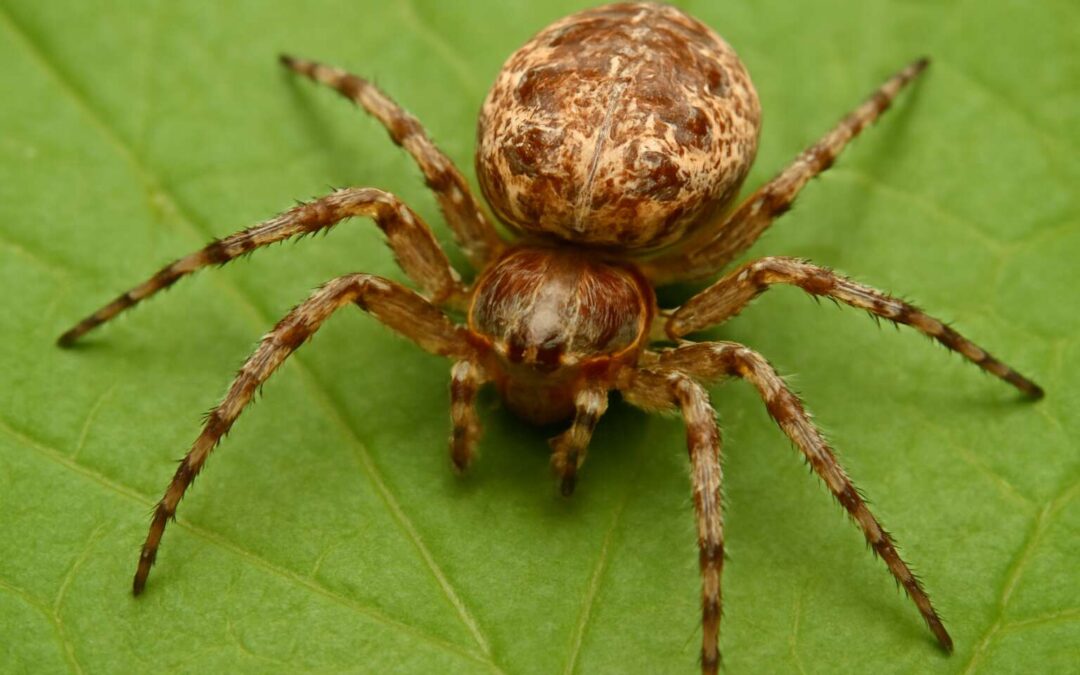
Are they creatures of the day or night? The truth sits in anatomy: are spider insects? Not at all. Spiders belong to the arachnids—eight legs, two main body segments, and silk that braids across rafters and grassland shadows alike, shaping survival through patient, precise craft.
Consider these differentiators that quietly redefine our gaze:
- Leg count: eight versus six in typical insects
- Body segmentation: spiders with two main sections (prosoma and opisthosoma) versus three in most insects
- Silk production: a signature webcraft for many spiders; insects rarely weave complex silk
From there, observation becomes a study in respect rather than reaction.
Spider anatomy and physiology
Spiders are living bridges between myth and meadow. Silk, astonishing in strength, stitches their world—from veld dew to rafters in rural homes. Curious minds ask, are spider insects? The answer is a clear no; arachnid lineage shapes their craft.
In anatomy, the spider bears two main body segments—the front prosoma and rear opisthosoma—plus spinnerets that spin life into silk. Their eight legs, though familiar, act as coordinated levers that sense vibration and guide patient weaving across SA habitats.
Consider these anchor traits that empower their physiology: spinnerets sculpt silk with patient precision, chelicerae deliver venom with surgical intent, and sensory hairs read wind and vibration to guide precise movements.
In South Africa’s homes and velds, anatomy translates to ecological purpose, weaving balance between pest control and wonder, a measured craft of nature.
Behavior and ecology of spiders
Across South Africa’s landscapes, spiders perform a quiet, astonishing craft—an ecological ballet from veld edges to pantry corners. With over 1,500 species, they hunt with patient cunning and silk-sprung architecture, adapting across savanna, coast, and suburb to sustain the intricate balance of local life.
People often wonder: are spider insects? The answer is a clear no; arachnids, not insects, with eight legs and two body segments. They read the world through vibrations and air currents.
- Web-building and hunting span ambush to active pursuit
- Diet shifts with seasons, keeping pest populations in check
- Longevity and reproduction tuned to South Africa’s climates
Together with humans, SA spiders weave a delicate, shimmering balance—pest control, wonder, and a reminder of nature’s artistry in everyday spaces.
Common myths and practical guidance
Across South Africa’s gardens and rooms, spiders weave a quiet, essential balance. The phrase ‘are spider insects’ flits through chatter, yet these creatures belong to a different order—arachnids with eight legs and a delicate, unhurried grammar that stitches ecosystems together!
Myth and misperception travel fast; here are common beliefs that drift through kitchens and veld.
- They are insects by default.
- All spiders are deadly or venomous.
- Every encounter ends in a painful bite.
Yet reality is a kinder, more intricate tapestry: spiders manage pests with patient artistry, and their presence refines the rhythm of home and veld alike, a reminder that wonder can live in the seams of daily life.