
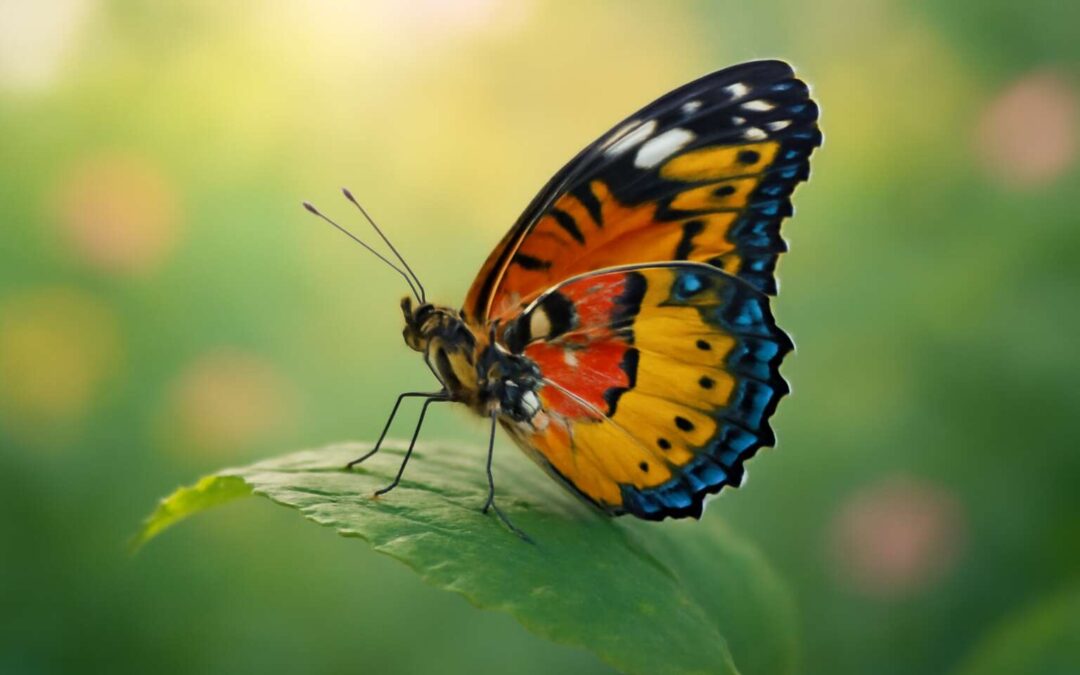
Understanding the Basics of Insect Classification
What defines an insect
Insects account for roughly 80% of described animal species, and the question of are insects considered animals arises in classrooms and conservation discussions. The quick answer is yes—they belong to the animal kingdom—but the why behind that label sits in biology, not sentiment!
- three-part body: head, thorax, abdomen
- six legs attached to the thorax
- one pair of antennae
- an exoskeleton made of chitin
- usually wings at some life stage (not in all species)
These hallmarks anchor insects in the animal kingdom while hinting at diversity within the group. In South Africa, diverse habitats—from fynbos to savannah—shape insect life and the roles they play in pollination, decomposition, and food webs.
The classification lens clarifies why a simple label can miss nuance, reminding readers that understanding structure, life cycles, and ecology is essential to grasping the animal world.
What counts as an animal in biology
Across South Africa’s varied landscapes, insects account for a dazzling share of described life—roughly 80% of animal species worldwide. The question are insects considered animals lingers in classrooms and conservation debates, and the answer rests in biology’s taxonomy, not sentiment.
Understanding where insects sit in the tree of life helps readers grasp why their study matters. In biology, insects belong to the kingdom Animalia, the phylum Arthropoda, and the class Insecta. This framework anchors them alongside other animals while celebrating their unique diversity.
- Kingdom
- Phylum
- Class
- Order
- Family
- Genus
- Species
In South Africa, understanding classification clarifies roles in pollination, decomposition, and food webs—the invisible threads of life that keep ecosystems resilient.
Key differences between insects and other animals
Insects command a whopping share of life’s variety—roughly 80% of described animal species are insects, yet they’re often treated as a footnote in the animal kingdom. This is where the basics of classification swing into action, letting clarity trump sentiment.
Here’s what sets insects apart from other animals:
- Three-part body plan (head, thorax, abdomen) versus the more varied segmenting found in many other arthropods
- Six legs attached to the thorax, not eight or more
- One pair of antennae (in most species), with wings in many but not all
- Exoskeleton designed for rapid moulting and nimble movement
In South Africa’s rich ecosystems, these traits influence pollination networks, food webs, and resilience. So, are insects considered animals? Yes—within the Animalia kingdom, they hold their own niche, bridging gardens and grand biomes with remarkable tenacity.
Why insects are often grouped with animals
More than a million insect species have been described, a quiet engine behind Earth’s diversity. A pointed question: are insects considered animals? The formal answer places them within Animalia, yet their story unfolds on a different branch of the tree of life.
Understanding their place starts with the taxonomic ladder.
- Kingdom: Animalia
- Phylum: Arthropoda
- Class: Insecta
- Orders: Lepidoptera, Coleoptera, Hymenoptera, Diptera, and many more
In South Africa’s ecosystems, this taxonomy matters for pollination, conservation, and science storytelling. These labels do not simply classify; they illuminate relationships among gardens, savannas, and fynbos.
Common myths about insects and animals
Insects account for roughly 80% of all animal species—a staggering engine behind ecosystems from fynbos to urban gardens! In South Africa, their role in pollination keeps habitats vibrant and farms productive.
Understanding their place starts with the taxonomic ladder. Kingdom, Phylum, Class, and then Orders like Lepidoptera, Coleoptera, Hymenoptera, and Diptera map the diversity scientists study to protect pollinators and biodiversity.
The question remains: are insects considered animals. The answer sits in the ladder—they are in Animalia, yet branch into Arthropoda and Insecta, illustrating kinship and distinction.
- Myth: Insects aren’t animals. Reality: they are part of Animalia.
- Myth: All insects are pests. Reality: many support pollination and decomposition.
- Myth: Insects have simple behavior. Reality: they show complex social structures and navigation.
Taxonomy and Biological Terms You Should Know
Kingdom, phylum, and class explained
In South Africa’s biodiverse landscapes, about 80% of described animal species are insects. This striking fact anchors a simple question: are insects considered animals? The answer sits in taxonomy—the ladder of Kingdom, phylum, and class that scientists use to organize life.
Let’s walk the levels that clarify where insects stand:
- Kingdom Animalia: multicellular, heterotrophic, no cell walls.
- Phylum Arthropoda: segmented body, exoskeleton, jointed limbs.
- Class Insecta: three body parts, six legs, usually wings.
Together, these terms show why the question “are insects considered animals” is answered with a confident yes, even as their life histories diverge wildly.
Arthropods vs. vertebrates
Across South Africa’s diverse landscapes, roughly 80% of described animal species are insects—a statistic that reframes wonder and invites closer inspection. It anchors a simple question: are insects considered animals? The answer rests in the ladder of Kingdom, Phylum, and Class, a quiet map scientists use to organize life. In this framework, insects share the card of Animalia, then branch into Arthropoda and finally Insecta.
Taxonomy and Biological Terms You Should Know: Arthropods vs. Vertebrates. The contrast becomes a practical map for readers, connecting traits to categories.
- Arthropods: exoskeleton, segmented bodies, jointed limbs
- Vertebrates: internal skeletons and a backbone
- Insects: three body parts, six legs, often wings
These terms illuminate common traits and subtle differences that help explain why “are insects considered animals” is a straightforward yes.
Metazoa and invertebrate concepts
In the quiet canopy of taxonomy, Metazoa is the broad shelter under which all animals find shelter—multicellular, differentiated, alive. Within this canopy lie the invertebrates, creatures that keep their skeletons either soft or armored with clever exoskeletons. That leads to the simple query: are insects considered animals.
Metazoa contrasts with vertebrates, which bear internal backbones. Invertebrates span sponges, molluscs, and arthropods, including the familiar insects. The terms Metazoa and invertebrate concepts unlock a practical map: you can recognize animals by tissue complexity, segmentation, and support systems.
- Metazoa: animals with true tissues and cellular organization
- Invertebrates: animals without a backbone
- Arthropods: exoskeleton, segmented bodies, jointed limbs
In South Africa’s biodiversity, these terms guide researchers and enthusiasts alike, clarifying who counts as fauna in surveys and what defines an insect in our living, humming ecosystems.
Nomenclature basics for insects
In South Africa’s buzzing biodiversity, taxonomy reads like a dark compass that points toward life. A curator once quipped, “Taxonomy is the map of the living world,” and the map keeps shifting as new species are named. This is why we pause to ask: are insects considered animals.
Taxonomy sorts life into a ladder: Kingdom, Phylum, Class, Order, Family, Genus, Species. Insects sit in Class Insecta, within Phylum Arthropoda; binomial names like Apis mellifera are Latin codes. In South Africa, field guides use common names, museums use Latin ones.
A quick taxonomy snapshot:
- Kingdom — Animalia: multicellular, heterotrophic.
- Phylum — Arthropoda: exoskeleton, segmented bodies.
- Class — Insecta: six legs, often wings.
- Genus and species — binomial names.
Nomenclature basics give South Africa’s insect studies a shared language.
Physical Characteristics of Insects
Body plan: head, thorax, abdomen
Insects account for about 80% of described animal species, a haunting statistic that brushes the edge of our understanding—and yes, it whispers a question: are insects considered animals? I study their body plan with a poet’s eye, watching a tiny head, a stout thorax, and a supple abdomen choreograph a life of movement and menace, across South Africa’s varied habitats.
Head: the sentinel crown of perception. I glimpse compound eyes catching shadows, antennae tasting the air, and mouthparts built for chewing or lapping.
- One pair of segmented antennae
- Compound eyes with numerous facets
- Mouthparts adapted for chewing or siphoning
Thorax: the engine room of motion. From its three segments emerge three pairs of legs, and wings, when present, grant ascent or stealthy drift.
Abdomen: a flexible continuum of segments housing gut and reproductive organs; breathes via spiracles and tracheae.
Exoskeleton and molting
More than 80% of described animal species are insects, a statistic that astonishes and informs. Insects carry a hardened exterior—an exoskeleton made of chitin—that shields tissues, minimizes water loss, and anchors muscles. When people ask, are insects considered animals, this armor reveals how they move across South Africa’s varied habitats. The exoskeleton grows through molts, not by stretching.
Here are the features that let the exoskeleton do its work:
- Chitin-based cuticle with a waxy layer to reduce water loss.
- Articulated joints provide mobility within a rigid shell.
- Muscle attachment points and protective plates safeguard organs.
- Breathable interface with spiracles and sensory connections.
Molt, or ecdysis, is a tightly choreographed rite. A new exoskeleton forms beneath the old; enzymes soften the old cuticle while ecdysone signals the moment. The insect wriggles free, and the fresh shell hardens, unlocking growth and new possibilities across South Africa’s varied environments.
Wings and flight adaptations
Across South Africa, insect wings are little engines of motion. Some bear delicate membranes for lift and speed; others wear hardened shields that protect and propel. Hovering above a protea or skimming a dune edge, their flights reveal a history of adaptation. This is part of the broader conversation about whether insects are animals; are insects considered animals. Wing design tells the tale of lineage and ecological savvy across our varied biomes.
Key features that let wings work in flight:
- Membranous wings provide lift and agile control in small insects.
- Scaled wings, as seen in butterflies and moths, aid signaling and aerodynamics.
- Wing coupling and folding conserve energy during bursts of speed.
- Precise wing-beat patterns enable hovering and rapid takeoff.
Antennae, legs, and sensory organs
Insects stride through life with antennae that act as living dashboards for smell, touch, and even subtle weather cues. In the debate are insects considered animals? The answer isn’t a shrug—these sensory tools double as navigation systems, helping them survive everything from veld events to city dust.
Beyond the head, the body hosts a sensory orchestra that keeps limbs in sync:
- Antennae: filiform, clubbed, or plumose, tuned to scents, vibrations, and pheromones.
- Legs and tarsi: sensory hairs (setae) and receptors sample texture, moisture, gravity.
- Eyes and ocelli: compound eyes with thousands of facets, plus light-detecting ocelli.
- Palps and mouthparts: chemoreceptors test taste on contact.
Small wonders, big questions: are insects considered animals, and their senses provide the verdict. In South Africa’s varied terrain, antennae, legs, and eyes function as a coordinated toolkit—an elegant proof of animal status with a wink and a buzz!
Habitats, Behaviors, and Ecological Roles
Habitats insects occupy
Across South Africa’s varied landscapes—from the arid Karoo to subtropical forests and the fynbos of the Cape—the habitats for insects are as diverse as their forms. Sun-warmed savannas host mantids and crickets; reed beds shelter dragonflies skimming over water; even city parks nurture bees and beetles amid pockets of green. Are insects considered animals? The answer is yes, and their homes shape how they feed, mate, and survive.
Behaviors reflect these habitats: some forage by scent, others rely on vibrations, light, or sound; wings beat with economy, and many rely on stealth to evade predators.
- Pollinators visiting Cape flora during bloom seasons
- Decomposers turning leaf litter and dung into soil
- Predators maintaining insect populations, from dragonflies to assassin bugs
Ecological roles emerge in their webs of life: insects recycle nutrients, disperse seeds, and provide prey for birds and small mammals, helping South Africa’s ecosystems stay robust and interconnected.
Roles as pollinators, decomposers, and pests
Across South Africa’s varied microclimates, insects carve out niches that cradle life and color—pockets of shade in urban gardens, riverine edges, and sun-warmed grasslands! Some readers ask are insects considered animals; the answer naturally emerges as we watch how they feed, mate, and endure in these spaces.
Behaviorally, they tune to their surroundings: scent, vibrations, light, and sound guide foraging and communication; wings trade speed for efficiency, and many rely on stealth to stay one step ahead of predators. In this land of fynbos and granite, flight and footwork are rhythm and resilience.
Ecological Roles:
- Pollinators visiting Cape flora during bloom seasons
- Decomposers turning leaf litter and dung into soil
- Predators maintaining insect populations, from dragonflies to assassin bugs
Life cycles: complete and incomplete metamorphosis
More than a million described insect species thread through South Africa’s microclimates, from Cape Town balconies to the Karoo plains. The question, are insects considered animals, lingers as wings catch the light and tiny shadows flicker. Habitats are living theatres—urban shade, river edges, fynbos, and sun-warmed grasslands.
Behaviors tether them to place: scents, vibrations, light, and sound guide foraging and mating; wings trade speed for efficiency, and stealth keeps them one step ahead of predators. Life cycles drive identity: complete metamorphosis from egg to larva to pupa to adult; incomplete metamorphosis from egg to nymph to adult.
- Complete metamorphosis: egg → larva → pupa → adult
- Incomplete metamorphosis: egg → nymph → adult
Ecological Roles bloom at habitat edges: pollinators visiting Cape flora, decomposers turning leaf litter into soil, and predators keeping insect populations in check. These threads weave South Africa’s ecosystems, where metamorphosis and behavior choreograph resilience and continuity.
Interactions with humans and ecosystems
In South Africa, insect life threads through every edge of habitat—from Cape Town balconies to the Karoo scrub—like a chorus of small engineers. Their homes span urban shade, riverbanks, fynbos, and sun-warmed grasslands, where microclimates shape daily rhythms and survival is a delicate art.
Behaviors tether them to space and season: senses guided by subtle scents, vibrations, light, and sound map foraging and courtship. Wings balance velocity with stealth, turning flight into a patient, economical instrument against predators.
Ecological roles bloom at habitat margins, where this question, are insects considered animals, threads through science and policy. They pollinate Cape flora, decompose leaf litter, and keep pests in check, weaving resilience into ecosystems. Our interactions with them echo in gardens, farms, and cities.
- Pollination sustains crops and biodiversity
- Decomposition fuels soil health
- Predator regulation keeps ecosystems balanced
- Cultural fascination and education in SA
Common Questions and Misconceptions
Scientific definitions: do insects fall under the animal kingdom?
Across Earth, about 80% of described species are insects, a figure that never fails to surprise researchers. are insects considered animals? The straightforward answer is yes—by biology, insects belong to the kingdom Animalia and the phylum Arthropoda, just like spiders and crabs, only their class is Insecta. They are animals, though they’re invertebrates with an exoskeleton and distinctive life cycles that can look almost supernatural to the casual observer.
Common questions arise, such as how an insect fits into animal definitions. They are animals, but not vertebrates; their bodies are segmented, they molt, and their sensory toolkit is astounding in the wilds of South Africa—veld edge, savannas, and fynbos all rely on these tiny workers.
- Myth: Insects are pests; truth: they are integral animals in ecosystems.
- Reality: Insects are animals and form the backbone of pollination networks.
Understanding the classification helps explain their roles in ecosystems and human life in modern South Africa.
Why some myths persist
Common Questions and Misconceptions shape how we see the tiny giants among us. Among readers, a recurring query surfaces: are insects considered animals? The biology is unambiguous: they inhabit the Animalia kingdom and the Arthropoda phylum, sharing lineage with spiders and crabs, yet they wear an exoskeleton and thrive through metamorphosis. In classrooms, gardens, and labs, this friction between label and wonder keeps curiosity alive.
- Vertebrate status isn’t required for being an animal; insects are invertebrates, yet fully animal.
- Myths persist that insects are pests, but many species are key pollinators and decomposers.
- Life cycles vary—complete metamorphosis (egg, larva, pupa, adult) or incomplete metamorphosis (egg, nymph, adult)—yet they remain true animals.
Understanding these questions helps readers in South Africa see insects as part of the animal world and ecological networks.
How scientists classify insects today
Insects account for roughly 80% of described animal species, a fact that keeps rural classrooms buzzing with wonder. When people ask, are insects considered animals, the question cuts to the core of biology: classification by shared traits and ancestry.
Today’s scientists place insects in the Animalia kingdom and the Arthropoda phylum, within the class Insecta. They are invertebrates, yet they are undeniably animals, distinguished by an exoskeleton, jointed legs, and a life cycle that can include metamorphosis.
Researchers now use a blend of morphology, genetics, and development to sort species. The result is a robust framework that explains why insects are counted among animals and how differences matter for ecology and farming.
- Genetic data from DNA sequencing
- Physical traits such as segmentation and exoskeleton
- Development patterns like complete or incomplete metamorphosis
Impact on education and public understanding
Insects account for roughly 80% of described animal species, and that jaw-dropping stat never fails to spark a classroom buzz. The question “are insects considered animals” still pops up, reminding us that taxonomy is less about labels and more about the life story—with a splash of humor.
Public understanding hinges on clear explanations. When people reduce insects to pests or cartoons, ecological literacy falters. Educators lean on real-life examples, simple models, and bite-sized demos to translate complexity into memory, not myth.
- Common questions about animal status in insects
- Misconceptions that affect pest management
- The influence of metamorphosis on public perception
Across South Africa’s varied landscapes, this clarity helps farmers, teachers, and curious readers see insects as fellow players in ecosystems, not backstage villains. A well-told story about classification turns curiosity into literacy and keeps the conversation scientifically lively.