
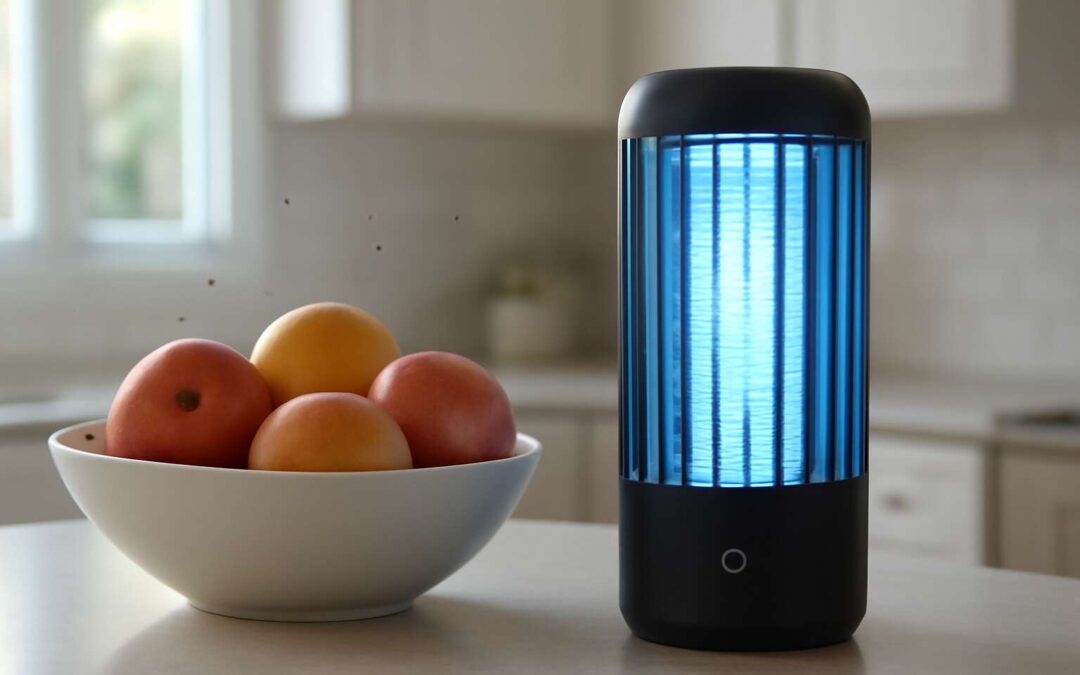
Choosing the Best Fruit Fly Zapper
Understand fruit fly behavior and attraction points
South Africa’s sunlit kitchens glitter, yet a tiny empire of fruit flies can rise in days. A startling fact: fruit flies complete a life cycle in as little as 8–12 days, turning a few invaders into swarms. The right instrument can tilt the balance.
To choose well, delve into their wanderings: they trace warm air toward ripening fruit, sugar-rich liquids, and the tang of fermentation; they drift along CO2 plumes and seek shelter in soft-lit corners. The best bug zapper for fruit flies harmonizes with these cravings, acting as a beacon!
These magnets of attraction unfold like a map in a mythic pantry:
- ripe fruit and sugary liquids
- fermenting beverages and residues
- damp drains and sheltered corners
Thus, choosing the best tool is listening to space, scent, and light—the quiet guardian that keeps the realm in balance.
Compare zapper types: UV light, CO2, and sticky traps
In a South African kitchen, a single fruit bowl can swell from a few invaders to a swarm in under two weeks. The right tool can restore calm and control.
Choosing the best bug zapper for fruit flies means matching the lure to the space. There are three main approaches:
- UV light zappers lure flies with bright flashes and deliver a quick death; they cover larger areas but can compete with other kitchen lighting.
- CO2 attractants mimic breath and offer targeted control, ideal for dense outbreaks or humid spaces.
- Sticky traps are quiet, chemical-free, and discreet, best for corners, drains, or under cabinets.
When the right model aligns with the room, the hush of a working zapper becomes part of the kitchen soundscape.
Evaluate coverage area and power needs
In bustling South African kitchens, fruit fly crowds can swell from a few visitors to a buzzing chorus overnight. A single, well-chosen bug zapper for fruit flies has the power to quiet the din in minutes—if you match the lure to the space. “When the lure speaks to the room, calm returns,” a veteran pest consultant once said, and the claim rings true in homes across the country.
Begin by evaluating coverage area: for typical SA kitchens, choose a model rated for 15–25 square metres, with a steady power draw that fits modern circuits. In humid, densely used spaces or near dining zones, opt for higher intensity without clashing with ambient lighting.
- Coverage area and capture speed
- Electrical load and energy efficiency
- Placement aesthetics and quiet operation
When the right model aligns with the room, the hush of the zapper becomes part of the kitchen soundscape.
Assess safety, noise, and energy efficiency
In South African kitchens, fruit fly flurries can turn a convivial brunch into a buzzing committee meeting in minutes. A veteran pest consultant once quipped, “When the lure speaks to the room, calm returns”—and the claim holds more truth than many garnishings suggest.
Choosing the best bug zapper for fruit flies requires a careful eye on safety, noise, and energy efficiency. For spaces with diners nearby, look for enclosed grids, low-VOC materials, and bulbs that shut off gracefully. Quiet operation matters as much as capture speed in a busy home—the last thing a friendly dinner party needs is a bedside buzz at dessert.
- Safety: sturdy housing, tamper resistance, and child-friendly designs
- Noise: whisper-quiet fans or lamplight-style guidance
- Energy efficiency: low standby draw and energy-star-like performance
When the right model lands, it becomes a discreet, courteous guest in the kitchen, not a shouting host.
How Fruit Fly Zappers Target Insects
Attraction mechanisms that appeal to fruit flies
In South Africa, fruit flies multiply fast when fruit sits on a counter in the summer heat—one female can lay hundreds of eggs in a matter of days, turning a fruit bowl into a buzzing problem. The bug zapper for fruit flies targets what these pests actually chase: scent trails from fermenting fruit, warm air that carries pheromones, and light cues that draw them from across a room.
- Visual lure: UV light and reflective surfaces draw fruit flies toward the trap’s center.
- Olfactory cues: fermenting fruit aromas and yeast plumes mimic ripe produce they seek.
- Environmental cues: warmth, humidity, and subtle air currents help flies navigate toward the trap.
- Flight behavior: low, erratic hops near fruit sources increase encounter rates with the trap.
Designers balance bright light with understated cues to suit busy South African homes, where kitchens double as social spaces and fruit bowls sit in plain sight.
Wattage and bulb considerations for fruit flies
In my kitchen on the Highveld, one female fruit fly can lay hundreds of eggs in days, turning a fruit basket into a buzzing workshop. In this tug-of-war, the wattage behind your bug zapper for fruit flies matters more than cosmetics in a kitchen that hums with South African heat.
Low-wattage units sip energy but still lure effectively when paired with smart ballast and UV bulbs. More powerful models pull in flies from across a room, yet they heat the air and spike costs. The right balance matters in busy homes.
- Lamp type: UV-A LEDs vs fluorescent tubes
- Wattage range: 4–20W for compact units, higher for larger traps
- Lamp life and replacement costs
When SA households weigh aesthetics and noise, energy efficiency emerges as a quiet ally, and a well-chosen bug zapper for fruit flies is more than a light in a kitchen.
Lifespan and replacement cycle of bulbs
A single female fruit fly can lay hundreds of eggs in days, turning a fruit bowl into a buzzing workshop. In this small theatre, the bug zapper for fruit flies does more than glow—it targets the life stage when the insects linger near light, turning energy into control.
In SA kitchens, the heat and humidity can hasten bulb wear, so longevity matters. LED UV-A bulbs can shine for tens of thousands of hours; fluorescent tubes wear out faster, demanding regular changes and ballast checks.
- LED UV-A: 20,000–50,000 hours
- Fluorescent tubes: 6,000–8,000 hours
- Replacement cadence depends on usage and environment
Choosing the right cycle reduces downtime and heat in a busy kitchen.
Placement and Maintenance of Fruit Fly Zappers
Optimal indoor placement to maximize catches
Across South Africa, a single well-placed device can quiet a buzzing kitchen. A good bug zapper for fruit flies can cut the swarm quickly and return the table to calm. In homes, markets, and workrooms, the right setup makes fruit bowls feel normal again, with the scent of citrus back in the air. Small changes, big relief, locals say.
Placement matters more than power alone. Consider these placement factors:
- Near fruit-heavy zones such as bowls and bins, but away from food prep surfaces
- Mounted high on a wall or shelf to avoid countertop clutter
- Within easy reach for quick checks yet out of reach of children and pets
Maintenance remains simple and respectful of busy kitchens. Wipe the housing, keep vents clear, and ensure the unit stays dry. Regular, unobtrusive checks keep the attractant working and the atmosphere calm.
Outdoor placement strategies and weather considerations
In South Africa’s warmer hours, one glow can quiet a kitchen’s buzzing chorus. A bug zapper for fruit flies acts like a quiet conductor, guiding energy where it matters and letting citrus scents drift back into the air. Weather writes its own tempo, but a well-placed device still orchestrates calm.
- Sun exposure and shade shape lure dynamics, so the device blends with daylight rather than glare.
- Wind and airflow alter scent and light, inviting a gentler balance.
- Humidity and rain remind us that resilience matters for steady performance.
Maintenance sits lightly on busy spaces, a quiet ritual of keeping surfaces clear and the air free of moisture intrusion. Patience is its own décor in outdoor spaces. In the theatre of evenings and markets, weather becomes a collaborator, not a foe, and the device keeps watch, restoring air and order.
Cleaning and maintenance routines
Skittering fruit flies bow to patience and pulse. In South Africa’s kitchens, a single bug zapper for fruit flies can curb a buzzing chorus by a noticeable margin when placed where air and light meet quietly.
Position it where daylight meets dusk—out of direct glare, away from food prep surfaces, and high enough to intercept roaming pairs. For best effect, place at edges of rooms and near fruit bowls, not in corners that trap scent.
- Respect the room’s airflow and the light’s quiet drama
- Aim for balance between visibility and concealment
- Let routine checks follow the rhythm of the space
Maintenance sits lightly on busy spaces—clean with a damp cloth, empty the collection tray, and dry surfaces to avoid moisture intrusion. I’ve learned that a quiet ritual of inspection keeps the air clear and the mood calm.
Seasonal use and replacement timing
South African kitchens buzz less when a well-placed bug zapper for fruit flies quiets the chorus—experts say it can cut nuisance by up to 60% in a busy home. The secret is placement that respects light and airflow.
Position it where daylight meets dusk: away from glare, above work surfaces, and high enough to intercept wandering pairs. For best effect, place along room edges near fruit bowls, not corners.
Maintenance should feel like a tiny, friendly ritual. Wipe with a damp cloth, empty the collection tray, and dry surfaces to prevent moisture buildup.
- Weekly quick checks
- Seasonal bulb inspection
- Tray and housing wipe
Seasonal use and replacement timing: Use during fruit-heavy seasons and tuck it away when fruit flows slow. Bulbs last 6–12 months under regular use; replace promptly if light output dims. A timely refresh keeps the device humming.
Failure indicators and when to replace the unit
South African kitchens buzz less when a reliable bug zapper for fruit flies does its quiet, electric dance. A well-placed unit can cut nuisance by a sizable margin, but that payoff hinges on continued responsiveness. Signs of fatigue are subtle at first: a lamp that never reaches full brightness, a flicker that glitches the evening’s rhythm, or a heat bloom near the housing that wasn’t there before. When these clues appear, the device is signaling more than a mere hiccup.
- Flickering or dim illumination, especially when powered on
- Unusual heat, buzzing, or smoke near the unit
- Drop in captures despite clean placement and good airflow
- Electrical smell or corrosion on housing or tray
These indicators suggest the unit may be nearing the end of its life. In such cases, replacement helps restore the kitchen’s quiet, controlled pest environment without inviting a rebound of fruit flies.
Safety, Costs, and Alternatives for Fruit Fly Control
Safety for homes with kids and pets
Fruit flies turn a sunny kitchen into a micro-drama: one scent, a chorus of visitors. A well-chosen bug zapper for fruit flies can quiet the scene, but safety for homes with kids and pets matters as much as efficacy. Look for an enclosed grid, sturdy housing, and thoughtful placement.
Costs lean toward practicality. The initial investment varies, but running costs are modest if energy use and durability are balanced with your rhythms. In South Africa, you’ll find models that respect power bills and offer reliable support, so the choice feels less like an impulse buy and a compromise.
Alternatives to the zapper family emphasize prevention and hygiene, including non-electrical options:
- Sanitation and proper fruit storage to reduce attractants
- Passive traps and barrier methods that don’t require electricity, including a bug zapper for fruit flies
- Environmental tweaks such as sealing entry points and disposing of waste promptly
Cost analysis: upfront and running costs
Fact: a single female fruit fly can lay up to 500 eggs in a week, turning a sunlit South African kitchen into a winged drama. Safety for homes with kids and pets matters as much as efficacy. Choose an enclosed grid and sturdy housing, and place it well away from play zones.
A well-chosen option: bug zapper for fruit flies balances price, durability, and local service, so the decision feels like a steady investment, not a whim against the pantry shelf.
Alternatives lean on prevention and hygiene: refine routines that deny attractants, improve fruit handling, and dispose of waste promptly. Non-electrical tactics can complement any device, keeping a kitchen’s temperament calm while guests—fruit flies—search for easier invitations.
Comparing with alternative fruit fly control methods
Safety first in a sunlit SA kitchen: a bug zapper for fruit flies should feature an enclosed grid and sturdy housing, kept well away from curious hands and pets. A compact, quiet unit reduces risk while maintaining calm during braais and meals.
Costs come in upfront price and running expenses; a durable unit costs more at purchase but saves on energy and bulb replacements over time. Compare durability, warranty, and local service—these protect your investment and keep pantry drama-free through the season.
Alternatives lean on prevention and hygiene: refined routines that deny attractants, careful fruit handling, and prompt waste disposal. Non-electrical tactics can complement any device—sticky traps and sealing gaps—keeping the kitchen temperate while fruit flies search for invitations. A bug zapper for fruit flies can be part of that balanced plan.
Tips to maximize effectiveness and avoid fruit fly rebounds
Safety first in a sunlit SA kitchen: the moral gravity of safeguarding shared meals. Enclosed grids, sturdy housing, and a mindful distance from curious hands and pets reduce risk. A well-built bug zapper for fruit flies stays calm beside braais and meals, avoiding sparks or accidental contact. Choose units with enclosed grids and solid casings; quiet operation helps maintain a peaceful atmosphere while the family gathers.
Costs come in upfront price and running expenses. A durable bug zapper for fruit flies costs more at purchase but often saves on energy and bulb replacements over time. A solid warranty and local service keep the unit dependable through the season, shielding your pantry from drama.
Alternatives lean on prevention and hygiene: refined routines that deny attractants, careful fruit handling, and prompt waste disposal. Non-electrical tactics can complement any device—sticky traps and sealing gaps—keeping kitchens temperate while fruit flies search for invitations.