
Cockroach biology and common indoor species
Common species found in households
A shadow glides under kitchen lights, a stubborn survivor mapping every corner. This household insects cockroach embodies resilience: they can endure a month without food, yet perish without water within days. Their nocturnal wanderings make them experts at exploiting quiet, humid havens in homes.
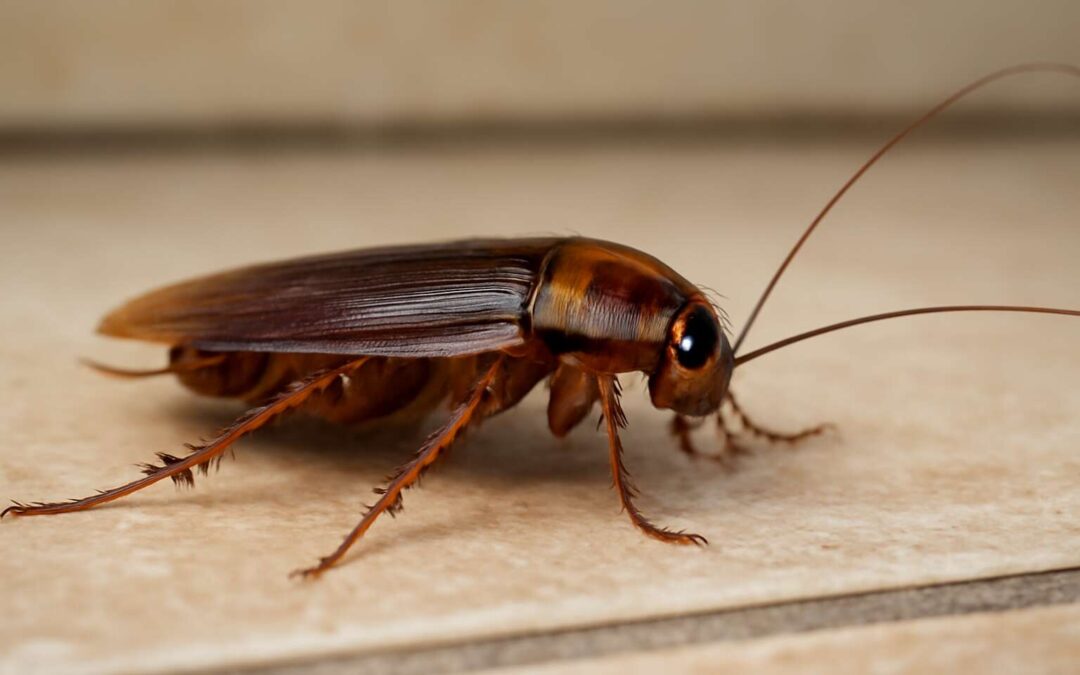
Biologically, roaches wear a tough exoskeleton and long antennae that read every scent and vibration. They’re omnivores with rapid reproduction; some species lay egg cases that hatch swiftly, fueling urban populations. In many cases, tiny differences—wing presence, body bands, and color—define the invaders you meet at night.
- German cockroach (Blattella germanica) — small, light brown, kitchen-dweller.
- American cockroach (Periplaneta americana) — large, reddish-brown, common in warm rooms.
- Brown-banded cockroach (Supella longipalpa) — small, banded, adaptable to high shelves.
In South Africa, warm climates and bustling urban homes create inviting environments for these intruders, where moisture and crumbs offer a steady food stream in the shadows.
Physical characteristics and life cycle
Across the quiet corners of South African homes, the household insects cockroach stands as a stubborn survivor. A single female can seed dozens of offspring in weeks, turning mere crumbs into a crowded, moving map of life. Their leatherlike exoskeleton and long antennae read every scent and vibration, while nocturnal raids reveal how warmth and moisture sustain their covert networks.
Physical characteristics and life cycle unfold in a few clear strokes. Wings appear in some species, color ranges from pale brown to reddish, and body bands offer the first clue to identity. The life cycle hinges on ootheca eggs, a rapid hatch, and molts that push nymphs toward adulthood.
- Ootheca holds dozens of eggs
- Nymphs molt through several instars
- Wing presence varies by species
Indoor adaptation and behavior in homes
Across South African kitchens and laundry nooks, the household insects cockroach moves with patient grace. A single female can seed a surprising chapter of life, turning crumbs into a crowd along the skirting boards. This creature wears a leathery exoskeleton and antennae that map scent and vibration, while nocturnal forays reveal a world built on warmth, moisture, and hidden corridors.
Indoor adaptation is a quiet treaty with the home: cracks near plumbing, behind appliances, and wall voids become highways. They seek damp corners, drift after dusk, and rely on irregular crumbs to persist. Their resilience feels almost magical, a patient dance with urban living. I watch them move in the dusk.
- Dark, humid refuges near plumbing
- Abundant crumbs and spills that linger
- Activity tied to household rhythms
These patterns remind us that warmth and water shape a bustling interior ecology, quietly influencing design choices in modern homes.
Where cockroaches thrive in the home
Typical indoor habitats and hotspots
South Africa’s warmer homes rarely stay untouched by nocturnal visitors. In humid interiors, a single female cockroach can seed hundreds of offspring in a year, turning a quiet kitchen into a living microcosm. I’ve watched them slip along skirting boards.
Where they thrive is not random. The household insects cockroach favors warmth, darkness, and moisture. Corners with slight dampness become strongholds, especially when crumbs linger.
- Kitchens and pantries with lingering food scraps
- Bathrooms and laundry rooms with damp corners
- Gaps around sinks, pipes, and appliances
- Waste areas and exterior entry points such as gaps under doors or vents
Their craft at slipping through crevices makes them specters of the home, a quiet network that endures after night falls.
Entry points and routes into living spaces
Within the hush of South Africa’s warm evenings, the household insects cockroach makes its quiet entrance. A single crack or seam can become a gateway, inviting a bustling micro‑world to unfold behind sinks and cupboards. This is no random trespass; warmth, darkness, and moisture draw them, turning ordinary corners into hidden sanctuaries for roaches to linger!
- Gaps under doors and around frames
- Cracks around windows and wall joints
- Plumbing joints, drains, and sewer lines
- Vents, cables, and utility penetrations
- Waste areas and exterior entry points that invite shelter
Once inside, they glide along skirting boards and behind appliances, tracing quiet routes through kitchens, bathrooms, and laundry nooks. They survive where crumbs linger, slipping through the smallest vent or gap as a timeless, patient artisan of the home.
Seasonal patterns and activity trends
In South Africa’s warm spell, the household insects cockroach can turn a quiet corner into a bustling microcity. A single female roach can produce up to 200 offspring in a year, a reminder that what begins as a crumb can become a thriving metropolis behind your walls. Nightly, they map routes with patient artisan precision, turning ordinary cupboards into secret passageways.
Where they thrive? Humid corners—kitchens, bathrooms, laundry nooks, and behind appliances—and the damp gaps around drains, pipes, and vents. They adore dark pockets where crumbs linger and water glints like a hidden treasure map.
- Kitchens and sculleries behind cabinets
- Bathrooms and laundry rooms near sinks
- Drains, pipes, and moist wall voids
- Pantry corners with moisture and crumbs
Seasonal patterns and activity trends in South Africa swing with the weather. Summer warmth and humidity lure roaches indoors, turning nights into busy corridors of activity. In winter they retreat to warm crevices yet stay alert behind skirting boards and appliances, ready to surge when a damp patch or a stray crumb appears.
Attractants and food sources in kitchens and bathrooms
Inside the home, cockroaches seek reservoirs of moisture and hidden warmth. In South Africa’s kitchens and bathrooms, they slip into the gaps behind sinks, along pipes, and the dark voids between cupboards and walls. For the household insects cockroach, such microclimates convert quiet corners into unseen corridors of life, where breeding can unfold with alarming stealth.
Attractants and food sources: they ride on crumbs and grease, cling to damp towels, and exploit pet food, plant residues, and humid air.
- grease and sugar residues on counters
- crumbs tucked into pantry corners
- moisture from leaks and condensation
These patterns reveal how persistent neglect can nurture a hidden metropolis.
Health risks, sanitation, and contamination
Pathogens associated with cockroaches
South African homes sometimes host an unlikely specter—the household insects cockroach. A single roach can carry more than 30 bacteria on its legs and antennae, turning kitchen counters into a wandering micro-laboratory. This is no mere nuisance; it’s a quiet reminder that cleanliness and biology share the same air.
Health risks go beyond disgust. Contaminated surfaces and food can trigger allergies, asthma, and gastrointestinal upset.
- Salmonella
- Escherichia coli
- Staphylococcus aureus
- Campylobacter
Sanitation and contamination are the stage where roaches perform. Their droppings, saliva, and shed skins linger, hitchhiking on cookware and hands to spread unseen hazards through the home. In hospitals or homes alike, these traces complicate efforts to maintain a pristine environment.
Allergic reactions and asthma implications
Even in tidy kitchens, the household insects cockroach can ferry more than 30 bacteria on its legs and antennae, turning countertops into a roaming micro-laboratory. In South African homes, this quiet menace reminds us that cleanliness and biology share the same air.
Health risks go beyond a cringe. Contaminated surfaces and food can trigger allergies, asthma, and gastrointestinal upset, especially where roaches leave droppings and saliva behind.
Allergic reactions and asthma implications can surface as:
- Sneezing and nasal congestion
- Itchy, watery eyes
- Wheezing or shortness of breath
- Asthma flare-ups in sensitive individuals
Sanitation and contamination are the stage where roaches perform. Droppings, shed skins, and saliva linger on cookware and hands, hitchhiking through kitchens and bathrooms and complicating efforts to keep a pristine home.
Food safety and contamination prevention in households
In the South African night, the household insects cockroach moves like a damp rumor, a silent courier of unseen microbes. It can ferry more than 30 bacteria on its legs and antennae, turning clean counters into roaming micro-laboratories. Health impacts may emerge from surfaces it touches, droppings, and saliva left on cups and pans. Even tidy kitchens harbor a shadow that haunts meals with microscopic risk.
Sanitation and contamination stage its grim theater. Droppings, shed skins, and saliva cling to cookware and hands, hitchhiking through the home and complicating any search for pristine order.
- Contaminated surfaces and food vectors
- Microbial hitchhikers on legs and antennae
- Persistent residues on utensils
- Hidden pockets in kitchens and bathrooms
Food safety in households is a quiet war waged with vigilance; pathogens do not respect borders, even as we strive for a pristine space.
Prevention, detection, and control strategies
Prevention tips to reduce attractants and entry points
Tiny, nocturnal and relentless, the culprits slip in without RSVP. A pest expert once quipped, “If you see one, you’re already playing catch-up.” For the household insects cockroach, prevention, detection, and control are three sides of a triangle that actually holds the fort in South African homes.
Prevention focuses on reducing attractants and entry points without turning every kitchen into a fortress. Think managing moisture, trimming clutter, and securing potential gaps around plumbing and doors. Consistency beats heroic, once-off cleanups every time.
Detection relies on subtle signals—faint smells, shed skins, or tiny scuttles—prompting a professional assessment. A cohesive approach pairs monitoring with appropriate interventions, keeping pace with a stubborn intruder and preserving peace in the pantry.
DIY control methods and when to seek professional help
Prevention is the frontline defense. In South African homes, household insects cockroach thrives in damp corners and warm kitchens. A pest pro once quipped, “If you see one, you’re already playing catch-up.” Focus on moisture balance, tidy spaces, and sealing gaps around plumbing and doors.
Detection hinges on subtle signals—faint odours, shed skins, or tiny scuttles—that prompt a professional assessment. Visual cues paired with occasional monitoring keep pace with a stubborn intruder.
- Visual cues
- Sheds and odours
- Pro assessment if signs persist
Control options lean on DIY methods that emphasize sanitation, moisture balance, and exclusion. They’re not a substitute for professional help when infestations linger. If signs persist after basic measures, a licensed pest technician can tailor a safe plan for SA homes.
Monitoring and early detection techniques
Prevention is the frontline defence for household insects cockroach in SA homes. Damp corners and warm kitchens invite, so focus on moisture balance, tidy spaces, and sealing gaps around plumbing and doors. A clean, dry home is a hard target for roaches!
- Moisture management and ventilation
- Exclusion of entry points around doors and plumbing
- Sanitation to remove attractants
Detection hinges on subtle signals—faint odours, shed skins, or quick scuttles—that prompt a professional assessment. Keep pace with an intruder by pairing visual checks with occasional monitoring.
Control strategies lean on high-level, non-intrusive measures: maintain sanitation, limit moisture, and reduce access points. If signs persist after these steps, a licensed pest technician can tailor a safe plan for SA homes.
Sanitation routines and maintenance plans
Roaches don’t knock— they slip in when moisture and crumbs collide, and in South Africa’s warm kitchens they multiply fast. Prevention for the household insects cockroach begins with habits more than hacks: tidy spaces, dry corners, and gaps sealed around pipes and doors, turning a single room into a fortress against intruders.
Detection hinges on subtle signals—faint odours, shed skins, or a quick scuttle—that nudge a professional assessment. Pair visual checks with occasional monitoring and you keep a prowler from settling in.
Sanitation routines and maintenance plans anchor long-term resistance. A quiet cadence of cleaning, waste management, and timely repairs around doors and plumbing keeps roaches at bay.
- Habitual cleanliness that reduces moisture and food residues
- Regular, non-intrusive monitoring by homeowners and pros
- Maintaining seals and gaps to preserve barriers