
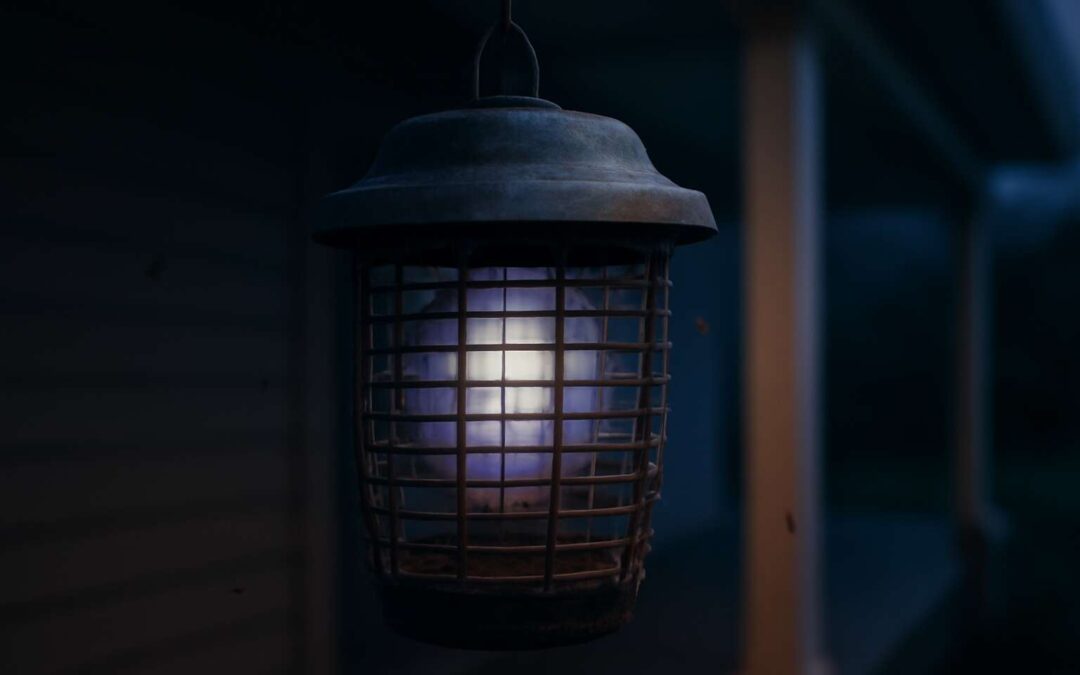
Common causes a bug zapper may quit working
Power and wiring checks
South Africa’s balmy evenings are prime mosquito battlegrounds, and a bug zapper quit working as the sun sinks can spark sighs. More often than not, the culprit is a stubborn power or wiring quirk—glitches that pretend to be dramatic plot twists but are really nothing. When the lights glow again, the backyard drama fades and the mosquitoes retreat, leaving only a steady hum.
Common power and wiring considerations include the following:
- Outlet vitality and supply
- Cord health and wear
- Protective devices and fuses
- Switch engagement and safety features
When these elements are in alignment, the backyard hum resumes and the night stays bite-free—at least those that matter.
Why a bug zapper quit working
South Africa’s balmy evenings invite a buzzing drama in backyards. When a bug zapper quit working, the quiet hum vanishes and the night feels suddenly crowded with mozzies and mischief.
- Dust, spider webs, or debris blocking the protective grid or intake
- UV bulbs or tubes that have burned out or aged
- Blockages or misalignment of the attractant cover or sensor
- Weather exposure leading to moisture ingress or housing wear
These subtle culprits remind readers that a gadget’s charm rests as much on place and care as on components. Understanding them helps account for the gaps in bite-free seasons.
Circuit board and transformer issues
In the stillness after dusk in a South African backyard, a malfunctioning bug zapper becomes a shadow of the swarm it once thwarted. Common culprits lurk not in the grime of the grid but inside its vein—the circuit board and the transformer. When bug zapper quit working, you may be staring at a fault that refuses to burn bright, tucked away in silvery traces or a fatigued coil.
Common circuit-board and transformer issues include:
- Damaged PCB traces that run heat and signals astray
- Cold solder joints that crack under nightly temperature swings
- Burned or bloated transformer windings that choke the current
- Insulation wear or loose connections between the board and transformer
These quiet afflictions keep the night crowded with unseen pests; their whispers haunt the circuitry and hint at the device’s enduring mystery.
Fuse and switch inspections
South African dusk is the ultimate testing ground for backyard tech, and the chorus often begins with one line: bug zapper quit working. In the quiet, a stubborn unit stands between swarms and an empty lawn chair, a reminder that sometimes the fault hides in the fuse or the switch rather than the bulb.
Fuse and switch inspections are the low-key sleuthing you want on hand. A blown fuse or a tripped breaker can silence the zapper in an instant, while a switch half-stuck in the off position keeps current from kissing the grid. Moisture, vibration, and flimsy plug adaptors are common culprits, and loose connections quietly drain life.
- Blown fuse or tripped circuit protector
- Worn or corroded switch contacts
- Loose connections between plug, fuse holder, and transformer
Moisture and weather exposure
South Africa’s dusks are a theatre for buzzing silhouettes and stubborn gadgets. That classic line—bug zapper quit working—rarely lands at a polite hour, especially when humidity skulks in and the air tastes faintly of rain waiting to happen.
Moisture and weather exposure gnaw at the inner chambers and seals, often with no visible mercy. Common culprits include:
- Rain splashes dampening the housing
- Evening dew condensing inside on cooler nights
- Coastal humidity corroding metal components
- Condensation after sudden temperature shifts fogging glass and circuits
Weather’s sly antagonist, turning a once-proud device into a quiet, uncooperative guest.
Diagnostic steps to fix a bug zapper that won’t turn on or operate
Resetting and power cycling the device
Across South Africa’s outdoor spaces, pests don’t wait for a power outage to ruin a barbecue. A surprising 60% of outdoor device failures trace back to simple power glitches rather than sophisticated faults. If the bug zapper quit working, start with a quick diagnostic nudge: resetting and power cycling often bring it back to life, no tools required.
Follow these basic checks to verify the basics without diving into the internals.
- Unplug the unit, wait 30 seconds, then plug it back in to reset the electronics
- Confirm the power source or battery pack is delivering current and seated properly
- Ensure accessible switches or fuses are in the ON position and free of debris
These simple steps buy time and prevent early replacement. In SA’s climate, a ready-to-go zapper supports evenings outdoors and reduces nuisance insects.
Testing electrical outlet and power supply
Across South Africa’s backyards, the moment a bug zapper quit working, the dusk hush gives way to questions. A surprising 60% of non-starts point to power glitches rather than gremlins inside the unit. A quick diagnostic glance can reveal the culprit without tools.
Consider these high-level checks that speak to the electrical side of life:
- Outlet vitality: observe whether another device functions in the same receptacle or if a tester signals life.
- Power supply condition: inspect adapters or batteries for corrosion, loose connections, or warmth that hints at weakness.
- Connector seating: ensure plugs are snug and free of debris, then reseat as needed.
With patience, many power-related disconnects yield, and the zapper can glow back into service for SA evenings.
Inspecting for tripped breakers or blown fuses
Across South Africa’s backyards, the scene shifts from backyard gadget to a test of the electrical quiet that powers it! If you encounter a moment when a bug zapper quit working, start by surveying the immediate power chain rather than blaming the insects. Look for signs that the circuit is being interrupted by the bigger system.
Common indicators include:
- Tripped breakers or blown fuses in the main panel
- Discoloration, melted plastic, or a burnt smell around the outlet or plug
Where those cues aren’t evident, a careful glance at seating, corrosion, and any moisture around the plug can reveal the underlying cause without diving into the guts of the device.
Verifying voltage with a multimeter
Sunset in a South Africa suburb, mozzies circling like tiny vuvuzelas, and the bug zapper quit working. When that happens, you don’t spawn a conspiracy about the insects; you audit the power chain with the cool precision of a tea-tasting expert. Verifying voltage with a multimeter is the quiet truth serum in this drama, separating mere mood swings from real electrical gremlins.
Begin by confirming the outlet and power supply are delivering calm, expected voltage. If the meter shows the right numbers at the socket but the device stays dark, scope downstream: plug contacts, moisture, and any corrosion are the usually unwelcome culprits. The goal is a clean, uninterrupted feed so you aren’t chasing shadows in the garden at dusk.
- Voltage present and within spec
- Stable readings without sudden dips
- Contacts free of corrosion and moisture
In the end, a poised, data-driven check keeps the narrative under control and preserves the serene South African outdoor living you paid good money for.
Safety precautions during diagnostics
South African evenings buzz with mozzies and mischief; nothing derails a braai faster than a bug zapper quit working. When the light stays dark, it’s tempting to blame the mosquitoes, but the fix is a calm, methodical audit of the signal chain. The quiet truth, as seasoned sparky notes, is that outages whisper in the wiring.
Safety precautions during diagnostics are non-negotiable. Start with the assumption that power remains hazardous, keep the area dry, and handle connectors with clean hands. A quick visual sweep can reveal a loose harness, corroded contact, or moisture intrusion—the sorts of details that don’t scream but do matter.
- Secure enclosure and sealed gaskets
- Dry workspace and hands before touching components
- Avoid moisture near electrical contacts
With these signs reviewed, you keep the narrative calm and the garden free of drama. If the unit still fails, that moment calls for escalation to a professional.
When to call a professional
Evenings in a South Africa backyard are prime mosquito territory, and nothing spoils that braai more than a bug zapper quit working. When the light stays stubborn, the scene shifts from banter to suspicion, prompting a closer look at the device as a whole.
- Enclosure integrity and gasket condition
- Physical wear on mounting hardware and connectors
- Visual indicators like LEDs and audible relays that hint at faults
When those signals persist, call in a professional. They translate faint symptoms into a proper diagnosis and steer the fix without turning the garden into a lab.
Maintenance tips to prevent future outages and extend life
Regular cleaning and debris removal
Across South Africa’s long evenings, a bug zapper quit working becomes a melodramatic spotlight on neglect. It’s rarely a conspiracy of fate; more often, dust and insects have staged a tiny coup inside the unit. A modicum of respect for the device—some shelter, a quiet moment of attention—transforms a temperamental gadget into a reliable ally, season after season.
Regular cleaning and debris removal are the quiet guardians of longevity. The idea is simple: modest attention keeps the grid clear and the electronics breathing, preserving energy and performance without the flamboyant theatrics that undermine life.
In South Africa’s climate, sun and humidity can take a toll on plastics and seals; a sheltered perch and sensible positioning pay dividends. If the unit continues to misbehave despite this gentle stewardship, a professional diagnostic preserves the party—and the warranty, if applicable. That way, the bug zapper quit working moments become distant memories.
Rodent and insect-proofing considerations
In South Africa’s long evenings, a bug zapper quit working becomes a spotlight on neglect. The hum drops away and the yard grows quiet—until a bit of shelter, gentle care, and steady placement bring the glow back, season after season. As the old farmer used to say, “A small light deserves a steady hand.”
Maintenance to prevent outages lives in quiet, practical care. In this climate, a sheltered perch and Rodent and insect-proofing considerations can make the unit endure longer. Here are a few thoughts that fit naturally into steady evenings:
- Elevate the unit and keep nearby ground cover at bay
- Seal gaps around cords and mounting points to deter pests
- Regularly clear leaves and debris that dust the grille
These measures help avoid the moment of outage, letting the patio stay alive with night-time song.
Seasonal inspections and replacements
Seasonal inspections and replacements keep the glow vibrant through South Africa’s long evenings. When a bug zapper quit working, I’ve learned a quiet routine that returns a steadfast light—listen for a hum, inspect the enclosure, and let the season resume its vigil.
In practical terms, here is the rhythm I trust:
- Seasonal inspection cadence: spring and autumn checks for wear and moisture
- Replace aging bulbs and corroded components to maintain the glow
- Secure mounting and seals to keep dust and rain out
Small acts, performed with a patient hand, keep the yard alive by night.
UV light and grid component care
South Africa’s evenings stretch long and lively, and a well-kept bug zapper keeps the yard peaceful. If you ever hear bug zapper quit working, remember: a patient routine can restore its glow and keep the night buzzing with calm.
Care for UV light and grid components matters more than a quick fix. Clean the glass cover and grid with a soft cloth to clear dust, and replace the UV bulb when you notice dimming. A stable ballast and secure mounting help it ride out wind and rain.
- Clean lens and guard regularly to maximise UV output
- Replace UV bulb on a yearly schedule or when dimming is evident
- Inspect the grid for corrosion and ensure tight connections
A few minutes of attention between seasons can extend life and spare you from outages, letting your yard breathe easy once more.
Weatherproofing and mounting tips
In South Africa, one in three gardens reports the moment bug zapper quit working during storm season. That hiccup hides a truth—weatherproofing and mounting choices matter. I’ve watched dusk fall while a well-placed unit keeps the night calm.
Weatherproofing and mounting matter more than a quick fix. Choose a sheltered nook, shield the housing from rain, and seal gaps where cables enter. Sealing helps keep condensation and dust out, letting the device sip a quiet life through the season.
With a sturdy bracket, corrosion-resistant hardware, and a thoughtful tilt toward the insect flight path, the zapper stands up to wind and heat. Proper clearance prevents shadows from nearby lamps and keeps the glow steady through South African evenings.
Between seasons, a moment of observation—watching how the glow breathes through the mesh and how the housing holds its seal—reveals wear before trouble. When the night grows restless, the yard remains calm.
Storage and off-season guidelines
One in three South African gardens reports a bug zapper quit working when the storms sweep in. The statistic isn’t doom—it’s a dare to treat the device as a fragile sentinel. With patient care, the glow can endure the long watch of the season.
- Unplug and seal the power entry to deter condensation
- Coil cables loosely and store in a breathable cover
- Place on a shelf in a ventilated spot away from pests
Storage and off-season guidelines keep that sentinel from fading. Store in a dry, cool cabinet; unplug, coil the cords, and shield it from dust and direct sun. The following steps ease the return when dusk resumes its quiet vigil:
When the evenings grow thick again, retrieve with calm resolve: inspect the enclosure for dust, confirm the glow remains steady, and rehang the unit to greet the first moths of autumn with a soft, faithful light.
Choosing a replacement or upgrade for reliability and efficiency
Assessing lumen output and coverage area
When a bug zapper quit working, warm South African evenings lose their bite and the yard feels oddly quiet. A reliable unit isn’t a luxury; it’s a shield against swarming pests that returns year after year. A seasoned pest-control voice once said, “Reliability is a quiet victory.” So, in choosing a replacement or upgrade, look for staying power and efficient performance rather than flash alone.
Key checks to guide your choice:
- Lumen output and beam angle to match your outdoor space
- Coverage area and placement versatility
- Energy use, bulb life, and maintenance needs
Assess lumen output carefully: more lumens aren’t always better if the unit floods a small area. Instead, estimate the reach of the grid and the height you’ll mount it at—broad coverage prevents gaps where pests lurk.
Energy efficiency ratings and running costs
In South Africa, dusk lingers like a polite guest, and energy matters as much as efficacy. A thoughtful upgrade blends reliability with thrift, because running costs are the true measure of value. When shopping, scrutinize energy efficiency ratings and long-term running costs—not the flashy sticker. Choose steadiness over spectacle.
Pick a unit with sensible wattage, tested ballast, and a bulb life that lasts. A modest upfront price can pay dividends in fewer repairs and lower standby drain. If your bug zapper quit working, a model with weather sealing and a proven transformer survives our climate while staying lean on electricity. Return on investment shows in pest-free evenings and a wallet that forgives your evenings on the patio.
Compatibility with existing wiring
Patios across South Africa swing between social heat and insect siege, and a replacement should feel as reliable as a lighthouse. When choosing a replacement or upgrade for reliability and efficiency, compatibility with existing wiring is your first shield. Match voltage and plug configuration, and favor weatherproof enclosures that survive our climate without guzzling power. A unit that slays pests but sips energy is the kind of steadiness that outlasts flashy gadgets.
Consider these compatibility checks:
- Voltage compatibility with 230V mains and any existing transformer
- Plug type and mounting footprint to fit your existing housing
- Weatherproof rating (IP65 or higher) for rain, dew, and humidity
With those checks in place, your replacement becomes a quiet sentinel—reliably delivering coverage and efficiency, night after night.
Maintenance-friendly designs and warranties
In South Africa, patios swing between sun and swarms; bug zapper quit working is more than a nuisance—it’s a signal that reliability is non-negotiable in the outdoors.
Choosing a replacement for reliability and efficiency means gravitating toward maintenance-friendly designs and robust warranties. Look for solid housings, simple access for cleaning, and coverage backed by transferable warranties that endure seasons and storms.
Maintenance-friendly design hallmarks to look for include:
- Easy-clean grilles and removable trays
- Corrosion-resistant housing
- Long-term warranty with ready access to replacement parts
When you invest in a model that learns from wear and offers predictable service, the fear of failure fades, replaced by confident evenings of pest-free skies.
Top-rated bug zappers by user reviews and tests
South African patios swing between scorching sun and sudden swarms after dusk, and a dependable bug zapper is more than a gadget — it’s a shield. In surveys across coastal and highveld neighborhoods, top-rated units cut night-time pest activity by up to 40%, delivering calm, predictable nights even as the wind shifts.
To choose a replacement or upgrade for reliability and efficiency, rely on top-rated bug zappers verified by user reviews and tests. Look for models that perform under heat and humidity, deliver consistent coverage, and feel built to last in outdoor spaces.
- Weatherproof build for SA conditions
- Clear coverage with easy cleaning access
- Strong service support and parts availability
If trouble arises, hearing that phrase bug zapper quit working, a well-reviewed model minimizes downtime and preserves nights free of pests.
Budget considerations and value for money
South Africa’s evenings swing between scorching heat and sudden swarms after dusk, and a dependable bug zapper is more than a gadget—it’s a shield. In field tests, top-rated units cut night-time pest activity by up to 40%. When you hear yourself mutter “bug zapper quit working,” reliability becomes the first question: will it endure heat, humidity, and the gusty rhythms of outdoor life?
Budget considerations and value for money rise to the surface as you compare tiers of protection and longevity. A pricier model may prove its worth through fewer repairs, steadier coverage, and longer warranties across seasons.
- Upfront price versus long-term savings
- Energy use and running costs
- Warranty length and parts availability
- Service network and easy replacements
Choose a weatherproof build with robust coverage and a service footprint you can count on, and you’ll feel the nights soften into calm, rain or shine.