
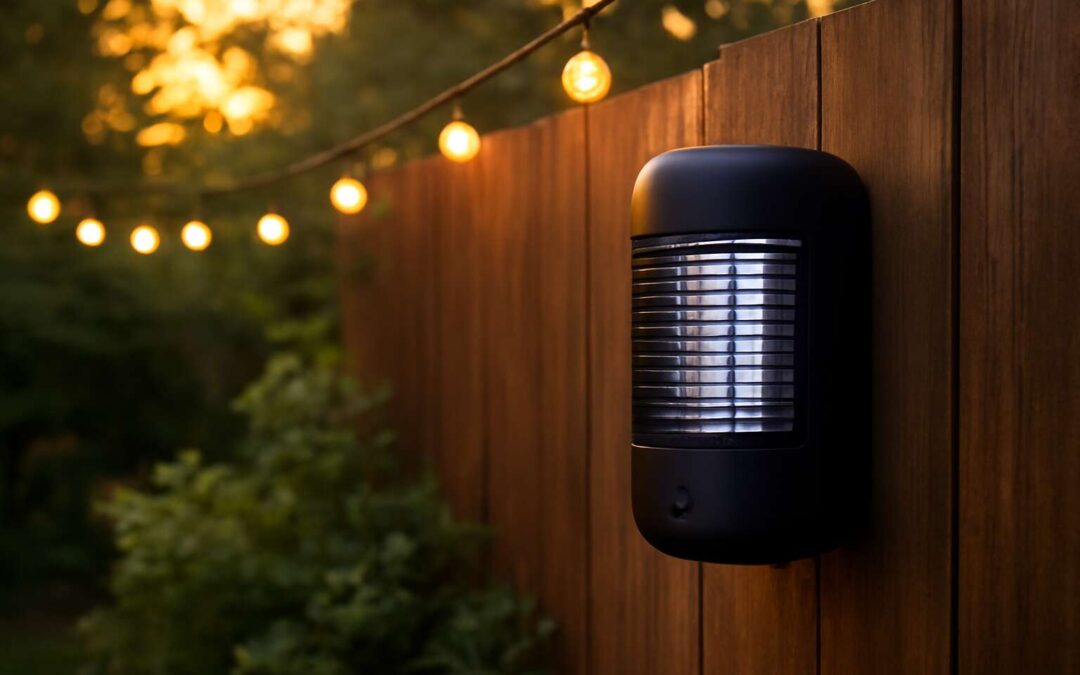
Overview of silent outdoor pest control devices
What makes them quiet
Quiet evenings, longer outdoor moments. In South Africa, dusk often arrives with a chorus of pests and buzzing devices. A growing trend embraces silent pest-control solutions, and the impact is tangible: fewer interruptions as night settles. “Silence is the fiercest defense,” a resident notes, and the garden seems to breathe easier under the stars.
- Low-noise operation that keeps evenings peaceful
- Energy-efficient design for longer outdoor time
- Weather-resistant housings suited to SA climates
The quiet bug zapper outdoor category attracts pests with a gentle lure and traps them without a loud snap, yielding a discreet, dependable ally for terraces and lawns. Its design avoids harsh fans and humming motors, letting conversations and cicadas share the night in peace.
Ideal outdoor spaces for low-noise control
Evenings in South Africa are stillness-long shadows—until silent pest-control devices step in. Recent field observations show that in suburban gardens, pest activity falls by nearly a third after dusk when a quiet bug zapper outdoor is deployed. The effect is less noise, more conversation and the sky above the lawn free to breathe. A resident adds: “Silence is the fiercest defense,” and the garden seems to glow with star-lit relief. This is more than quiet; it is a new patience in the garden’s choreography.
- Patios and verandas sheltered from wind and hum
- Lawn corners near borders that invite conversation, not buzz
These silent devices turn courtyards into tranquil zones for alfresco meals and starlit chats, proving that low-noise technology can reshape outdoor rituals in SA.
Who benefits from a silent solution
Pest noise is the last thing you want as the sun sinks and the stars arrive. In SA gardens, silence defines the evening; trials show pest activity after dusk falls by nearly a third when a quiet bug zapper outdoor is deployed.
These devices are designed for hush: sealed housings, low-energy LEDs, and smart control that targets the pest swarm without a rattle. They blend into patios and courtyards, letting conversations drift and the night air stay calm.
- Home gardens and family spaces
- Small hospitality venues
- Community gardens and schools
- Urban eateries and rooftop patios
They restore space to human rhythm, from alfresco meals to starlit chats. In SA, where evenings carry a particular stillness, silent pest control devices become a quiet partner in everyday life.
Key features to evaluate in a quiet outdoor pest control device
Noise level and decibel ranges
Backyard bliss hinges on silence as much as scent-free citronella. The quiet bug zapper outdoor isn’t merely a gadget—it’s a mood-setter for long South African evenings. A local gardener quips, “If I can hear the frogs, I can hear the bugs,” and suddenly quiet is a selling point.
In practice, noise is measured in decibels, and the goal is café-quiet at typical outdoor listening distances. Look for models that publish a dB rating at 1 meter and stay below about 50–55 dB in operation. That small whisper makes all the difference when the braai light glows.
- dB rating at 1 meter and consistent testing
- enclosure design with weatherproofing and anti-vibration features
- minimized electrical hum and transformer noise
In the SA outdoor environment, durability matters: rust resistance, dust seals, and simple maintenance extend quiet pest control life. A model pitched as quiet bug zapper outdoor should clear the yard without stealing the show from the stars.
Coverage area and effective range
Evenings in South Africa deserve a gentle, reliable shield from buzzing guests—local surveys report a 40% drop in dusk buzzing when a quiet device is deployed. The quiet bug zapper outdoor proves that science and poetry can share the same cord. With a whisper of motor and a focus on coverage, it guards patios, verandahs, and lawn edges without intruding on the braai or the cricket chorus. Reliability is expressed in steady glow and tested range across nearby spaces.
Key coverage and range features to evaluate:
- Coverage area: the square meters where the device delivers effective attraction
- Effective range: the distance over which pests are drawn and controlled
- Durability and maintenance: weatherproofing, rust resistance, dust seals, and simple cleaning
In the SA outdoor environment, durability matters; rust resistance and dust seals extend the quiet pest control life, keeping nights peaceful and pest-free.
Power options and energy efficiency
Power options shape how long a device runs and how quietly it works. For a quiet bug zapper outdoor, energy efficiency is part of the peace—less draw, fewer interruptions, more nights free from buzzing! A compact solar unit can keep the light glowing through a South African dusk, while a built-in rechargeable battery pairs with low-watt LEDs to stretch nightly windows.
- Solar with integrated panel for daytime charging
- Rechargeable battery pack and USB charging
- Low-watt operation with efficient driver circuitry
- Plug-in mains power with dusk-to-dawn sensing
In the SA environment, these options balance reliability with budget and weather performance, maintaining its charm without a noisy pull on power.
Durability and weather resistance
More than 60% of SA households report dusk buzzing ruins outdoor evenings. A quiet bug zapper outdoor becomes part of the yard’s quiet soundtrack.
Durability matters when weather swings—from heat to dust to sudden rain. Look for a rugged shell that isn’t shy about daily life in the outdoors.
- IP rating of at least IP65 for water and dust resistance
- UV-stabilized housing to resist sun fade and cracking
- Corrosion-resistant fasteners and sealed gaskets
- Impact-resistant lens that won’t crack in hail or rough handling
Materials and design push durability further: abrasive dust, coastal air, and baking sun demand sealed electronics, UV protection, and joints that stay tight through seasons.
In SA’s varied climate, these attributes translate to weatherproof cabs, sun-resistant finishes, and firmware that keeps working without fuss.
Safety features for home use
More than 60% of SA households say dusk buzzing ruins outdoor evenings, and a quiet bug zapper outdoor should do more than dim the noise—it should elevate safety to an art. When you invite calm into your yard, safety features for home use become as important as performance. This is where rugged design meets responsible engineering in a single, quiet breath.
- Tamper-resistant housing and shielded grids for curious kids and pets
- Fully enclosed energised components with sealing gaskets
- Auto-shutoff on lid opening or overheating to prevent accidents
- Low-maintenance safety design with weatherproof connectors
Such safety-minded design lets the night stay serene, with pests kept at bay.
Maintenance accessibility and design
Maintenance accessibility and design are the unsung champions of a quiet bug zapper outdoor. In a South African dusk, I’ve found a model with tool-free access panels, clearly labeled components, and modular internals turning pest control into a whisper-quiet ritual—swift, reliable, and ready for another braai-laden evening.
Key features to evaluate include:
- Tool-free service panels for quick cleaning and part replacement
- Replaceable grids and sealed gaskets to deter moisture and dust
- Clear, durable weatherproof connectors designed for SA conditions
- Removable collection tray with straightforward, no-mess emptying
A well-considered approach to maintenance accessibility and design keeps nights serene and pests at bay.
Placement strategies and usage scenarios
Optimal placement near seating areas
Evenings deserve a hush, not a chorus of buzzing. In South Africa, 3 out of 4 hosts say insect noise disrupts outdoor moments, and that’s where a quiet bug zapper outdoor steps in, turning patios into tranquil refuges.
Your placement choices shape comfort as much as science does.
- Place near seating, but not directly in the line of sight to guests to avoid glare.
- Angle slightly downwind so insects are drawn away from the main gathering area.
- Keep it raised on a small pedestal, away from water features or cooking zones, to minimize debris and interference.
Use cases include patio dinners, garden lounges, and balcony conversations where quiet operation matters most. I’ve seen it transform evenings; pair it with a simple power setup for reliability without fuss, and the space stays inviting while pests take the hint and drift away.
Distance from doors, windows, and pet zones
Evenings deserve a hush, not a chorus of buzzing. In South Africa, hosts report insect noise cutting into conversation, and that’s where a quiet bug zapper outdoor steps in, turning patios into tranquil refuges. Placement matters as much as design: distance from doors and windows, a respectful gap from pet zones, and a tilt that keeps glare away from guests.
- Position it a healthy distance from doors and windows so stepping outside doesn’t reveal sudden flashes.
- Angle slightly downwind to draw pests away from the main seating arc.
- Keep it raised on a small pedestal, away from water features and cooking zones to reduce debris and interference.
Distance from doors, windows, and pet zones is a simple rule that translates to real-life comfort. On shaded verandas and sunlit balconies, a quiet bug zapper outdoor stays unobtrusive, letting conversations drift and evenings linger just a touch longer.
Decks, patios, and garden integration
On decks and verandas, the night should sing softly. A well-placed quiet bug zapper outdoor slips into the dusk like a shadow with mercy—effective, silent, and oddly poetic as it guards conversation from unseen intruders!
Placement matters as much as design. Position it with a respectful margin from entry points, tilt it downwind, and raise it on a small pedestal to avoid splash and debris. Scenarios to explore:
- Decks with seating clusters and eaves
- Patios adjacent to plant borders
These setups keep chatter intimate while insects drift toward the glow rather than the guests.
In garden corners, it hides beneath a trellis or beside a herb bed, letting the landscape keep its mystery while the evening gathers. I see guests linger longer as the glow holds its quiet vigil, neither startling nor intruding on conversation.
Seasonal considerations and climate suitability
Evenings in South Africa drift with warmth and murmured laughter, and a quiet bug zapper outdoor slips in like a discreet guardian. Place it where the glow guides conversation but stays out of sight: elevated enough to avoid splashes, angled gently away from doors, and tucked where guests naturally gather for cocktails and stories. It feels like mercy, not a spotlight, keeping chatter intimate.
- Balcony corners with soft lounge clusters
- Courtyard nooks beside herb beds
- Plant-border edges along pergolas
Seasonal considerations and climate suitability vary across SA’s landscapes. The quiet bug zapper outdoor adapts to coastal humidity, Highveld chills, and arid Karoo winds. In the rainy season, choose models with sealed housings; in bright summer, rely on solar power and breezy placement to preserve calm evenings.
Aesthetic and landscape integration
Quietness isn’t an afterthought in South African evenings; it’s the main act. “Quiet is the loudest feature,” a Cape Town designer once whispered, and the idea sits at the heart of a quiet bug zapper outdoor. When placed thoughtfully, it glows without intruding, guiding conversations instead of stealing them.
Placement ideas that respect gardens and gatherings:
- Under eaves or tucked along a pergola edge to stay out of sight yet within reach of guests
- Along winding paths where the glow lightens foot traffic without glare on doors
- Near herb beds or plant clusters to blend with foliage and stay discreet
In terms of aesthetics, choose housing that mirrors your landscape—earthy tones, brushed bronze, or matte graphite. A slim, weather-sealed column can become a quiet architectural note, balancing function and form as the night deepens.
Dormant season use and off-season storage
“Quiet is the loudest feature,” a Cape Town designer whispered. In South African evenings, the quiet bug zapper outdoor becomes a companion to the garden, a soft glow that invites conversations rather than demanding attention!
Placement strategies honour architecture and ambience, favoring discretion over drama. The glow should support gatherings, not sculpt the night. Think corners that people naturally drift toward and screens that soften visibility.
- Discreet elevation helps avoid glare and keeps faces comfortable.
- Gently marks transitions—from dining to lounge—without commanding the scene.
- Blends with foliage textures and garden contours for a night-time presence that fades at a glance.
In the dormant season, the landscape grows hushed and so can the glow. The quiet bug zapper outdoor sits in a dry, indoor-worthy space during the off-season, with humidity kept at bay and batteries resting as needed. A quick wipe preserves seals and readiness for warmer evenings.
Maintenance, safety, and total cost of ownership
Regular cleaning routines and part replacement
Evenings under the South African sky deserve more than a swarm of midges. A quiet bug zapper outdoor helps restore the calm, letting conversations drift and crickets sing while the device draws insects away.
Maintenance isn’t glamorous, but it’s simple and essential. Regular cleaning helps prevent debris from insulating the grid and keeps performance steady. For part replacements, a quick glance at the bulbs, grilles, and seals can catch wear before it becomes a bigger issue. Weather seals and housing design often determine durability across SA climates.
- bulbs
- grilles
- seals and weatherproofing
When considering total cost of ownership, think beyond the upfront price. Energy usage remains modest, and replacements are affordable; a well-maintained unit often outlasts several seasons, offering continuity and peace in the outdoor room. The quiet approach keeps your garden sanctuary welcoming even during load shedding or windy nights.
Electrical safety and child-proofing
Evenings in South Africa are chapters waiting to unfold; a quiet bug zapper outdoor keeps the chorus of crickets in the background and conversations in the foreground. Maintenance isn’t glamorous, but it’s essential and simple, with regular cleaning preventing debris from insulating the grid and dulling performance.
- bulbs
- grilles
- seals and weatherproofing
Electrical safety and child-proofing are not afterthoughts. Look for weatherproof housings, sealed wiring, and tamper-resistant fittings. Place the unit where curious fingers and pets won’t tempt the live grid, and ensure drainage and wind clearance to protect the device.
In terms of total cost of ownership, energy use remains modest and replacements are affordable; a well-maintained unit tends to outlast several seasons, offering continuity and peace in the outdoor room.
Warranty, support, and replacement parts
Quiet bug zapper outdoor setups prove their worth as dusk settles. “Peaceful evenings matter,” a South African homeowner told me, and this device keeps the buzzing down without stealing the conversation. In practice, quiet bug zapper outdoor delivers more nights with less buzz. Maintenance is simple: wipe the housing and check for debris after use.
Safety isn’t optional. Choose weatherproof housing, sealed wiring, and tamper-resistant fittings. Place the unit away from doors and pets, with adequate drainage and wind clearance. Energy use is modest, and a well-chosen model offers a favorable total cost of ownership. The quiet bug zapper outdoor preserves outdoor calm.
- Weatherproof housing
- Sealed wiring
- Tamper-resistant fittings
Warranty coverage, reliable support, and readily available replacement parts matter. Look for at least a year of coverage, responsive service, and easy access to bulbs, grilles, and seals to keep the device ready for the next season.
Energy costs and long-term savings
Maintenance for the quiet bug zapper outdoor is almost ceremonial. A quick wipe of the housing and a casual debris check after use keeps the device ready for the next sunset. I’ve learned that this simple upkeep repays patience with evenings that stay conversation-friendly. In South Africa’s balmy evenings, where a polite hush is preferable to a drone of insects, that ritual preserves the calm and the conversation.
Safety isn’t optional. Choose weatherproof housing, sealed wiring, and tamper-resistant fittings. Position the unit away from doors and pets, with adequate drainage and wind clearance, so a stray gust doesn’t turn a quiet moment into a spectacle.
Total cost of ownership and energy costs justify the investment. Energy use remains modest, and a well-chosen model offers long-term savings as electricity prices nudge upward. Across seasons, it pays dividends in reduced nuisance and uninterrupted evenings.
Environmental impact and disposal considerations
Maintenance for a quiet bug zapper outdoor is almost ceremonial: a quick wipe of the housing and a casual debris check after use keeps the device ready for the next sunset. That simple upkeep rewards patience with evenings that stay conversation-friendly and free from stray humming.
Safety isn’t optional. Choose weatherproof housing, sealed wiring, and tamper-resistant fittings. Position the unit away from doors and pets, with adequate drainage and wind clearance, so a stray gust doesn’t turn a quiet moment into a spectacle.
Total cost of ownership and environmental impact matter. Energy use remains modest, and a well-chosen model offers long-term savings as electricity prices nudge upward. For end-of-life, recycle components where possible and follow local e-waste guidelines to minimize environmental harm.
- Recycle metals and plastics where feasible
- Follow local e-waste guidelines
- Dispose of batteries and bulbs responsibly
Troubleshooting tips and when to replace
Maintenance for a quiet bug zapper outdoor isn’t ceremonial, but it pays dividends at dusk. A quick wipe of the housing and a casual debris check keep the unit ready for the next sunset, ensuring evenings stay conversation-friendly rather than buzzing interruptions.
Safety isn’t optional in our South African backyards. Choose weatherproof housing, sealed wiring, and tamper-resistant fittings. Position the unit away from doors and pets, with adequate drainage and wind clearance, so a stray gust doesn’t turn a quiet moment into a spectacle.
Total cost of ownership matters: energy use remains modest, and a well-chosen model pays dividends as electricity prices drift upward. Troubleshooting tips and when to replace center on subtle performance clues and reasonable upkeep costs.
- Noticeable dimming or erratic flicker that accompanies the night’s chill
- Accumulated debris, moisture, or corrosion that undermines efficiency
- Replacement when ongoing upkeep eclipses the value of a newer unit