
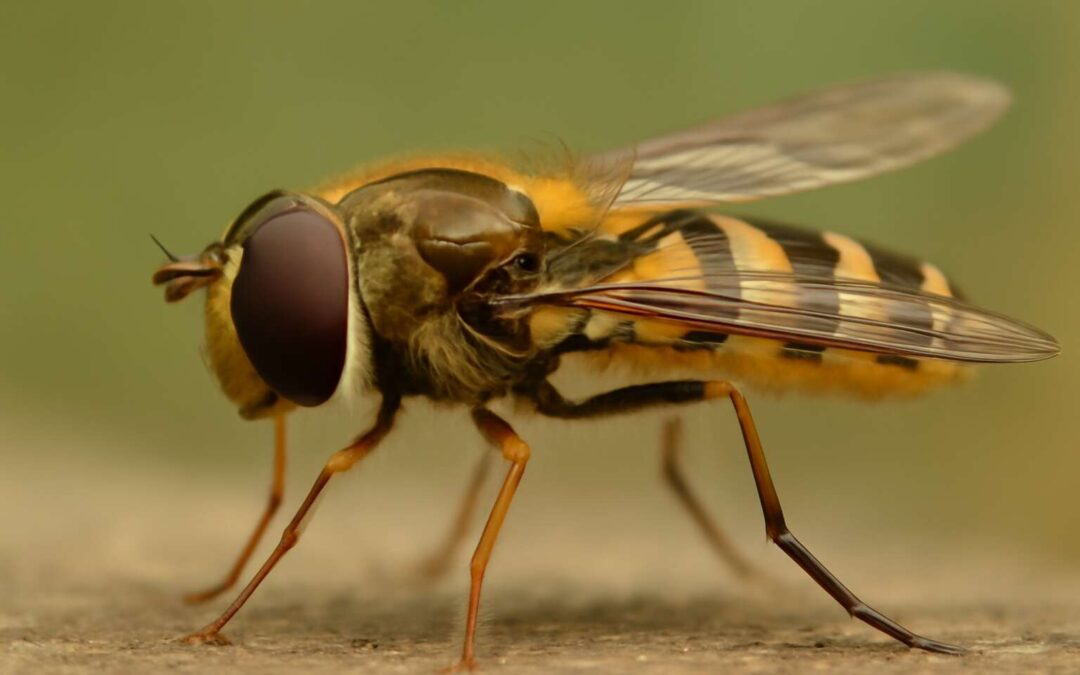
Head anatomy and sensory systems
Headlong into perception, the insect head houses sensory horsepower. Dragonflies can boast up to 30,000 ommatidia per eye, turning motion into meaning in a blink. That vivid efficiency previews insects body structure in action—light filters, scents travel, and tiny nerves line up the world with surprising precision!
Key components of head anatomy and sensory systems include:
- Antennae — primary chemosensory and mechanosensory hubs that sample scents and air motion
- Compound eyes — thousands of facets (ommatidia) deliver broad, rapid vision
- Ocelli — simple eyes that gauge light intensity and help stabilize flight
- Mouthparts — mandibles, maxillae, and palps tuned for nectar, chewing, or sipping
A compact brain and connected nerve centers translate this sensory stream into action, guiding feeding, mating rituals, and evasive maneuvers—all integral to the insect’s body design and success in diverse South African habitats.
Thorax and limbs
Power under the exoskeleton: the thorax is the engine room of the insect, a tiny powerhouse that makes flight, sprinting, and climbing seem almost supernatural. In many species, the speed of wingbeats and stride is limited only by the size of the thoracic muscles and the toughness of the cuticle. This is a cornerstone of the insects body structure.
The prothorax, mesothorax and metathorax—front, middle, and rear segments—bear the three pairs of legs and, in winged insects, the wings that push the body forward. Direct flight muscles anchor to the wings themselves, while indirect muscles warp the thorax to produce rapid wingbeats. This arrangement lets an insect sprint up a stalk, hover before prey, or slip away from danger with surgical precision.
Abdomen and internal organs
The abdomen, a pliant arc beneath the thorax, completes the insect’s body’s quiet symphony. It cradles the digestive procession—from the midgut’s absorbing tides to the hindgut’s final flow—while the dorsal heart drifts along the curve, driving hemolymph through the open circulatory system. The realm holds a delicate reproductive map, sprouting spiracles along each segment, breathing and reshaping with movement. Breath and movement unite!
Key internal components align with the abdomen’s flexible architecture:
- Digestive tract and midgut for nutrient processing
- Hindgut with Malpighian tubules for waste management
- Reproductive organs and accessory glands
In the grand tapestry of insects body structure, the abdomen’s subtle coils enable locomotion and respiration to harmonize with life’s rhythms, a quiet, powerful engine at the rear of the creature. Across South Africa’s diverse habitats—from fynbos to savannas—these abdomenic mechanics sustain bustling insect lives.
Comparative anatomy and ecological adaptations
Across South Africa’s fynbos, savannas, and coastlines, the insects body structure reveals a gallery of adaptation. More than a million insect species share Earth, each a note in a symphony of form and function. Comparative anatomy shows wing design, leg arrangement, and segmentation aligning with climate, predators, and food chains—no two shapes are accidental.
- Wing design and flight styles matched to habitat.
- Exoskeleton toughness and waxy coatings for aridity.
- Specialized respiration and aquatic larvae adaptations.
These patterns shape South Africa’s ecosystems—from desert dunes to leafy gorges—proving that anatomy is ecology in motion. Insects body structure thus becomes a language, translating climate, plant life, and predators into lines of form and function.