
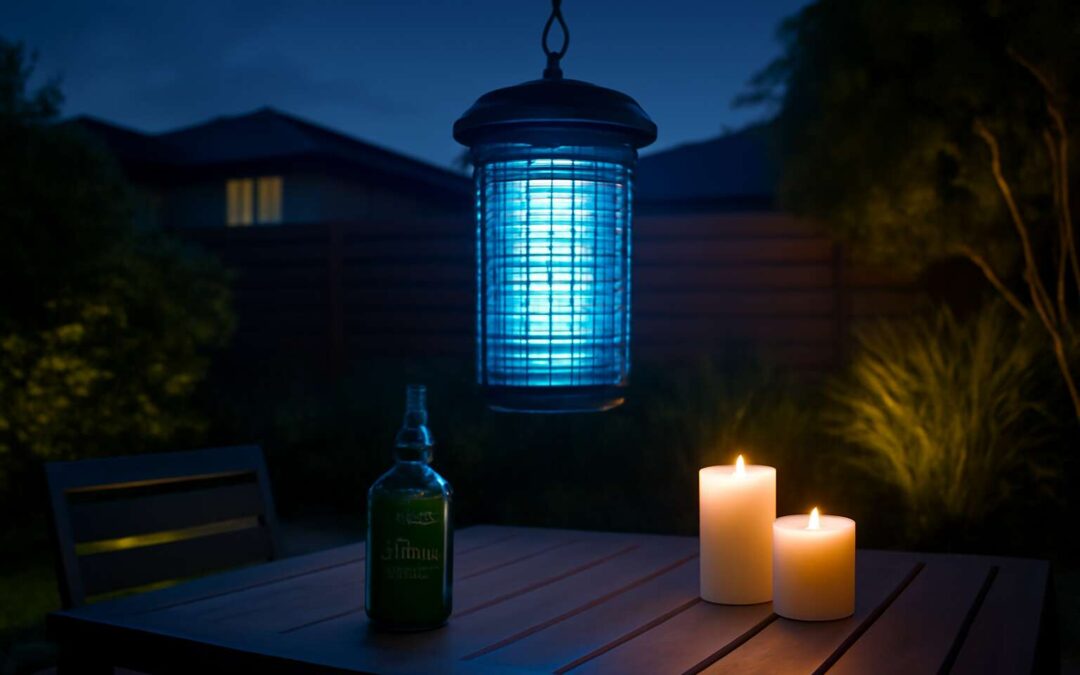
Understanding Mosquito Control: How Bug Zappers Work vs How Repellents Work
Mechanism of Action: Attractants, Traps, and Kill Zones
“In the South African dusk, wings whisper through the air,” a veteran entomologist notes. The night asks a quiet question: how do we keep the swarm at bay without surrendering the evening? The debate bug zapper vs repellent sharpens into clear logic: one lures and harms, the other guards.
Mechanism of action rests on attractants, traps, and kill zones. Attractants lure with UV, heat, and host cues. Traps capture or kill. Kill zones create a lethal perimeter that thins the crowd.
- Attractants: UV light, heat, and host cues draw mosquitoes toward the trap.
- Traps: electric grids or adhesives capture or kill as they touch the chamber.
- Kill zones: a lethal perimeter concentrates encounters, reducing activity locally.
For a South African audience, the choice between methodologies echoes nightly routines and outdoor gatherings—the atmosphere remains haunted, yet practical, as science quietly asserts its edge against the night.
Effectiveness Across Mosquito Species
Evenings in the Karoo air shimmer with heat and memory. “The night finds you first,” says a veteran entomologist, and the mosquitoes answer with a soft chorus that refuses to be silenced.
Understanding how we fight back, we consider balance: bug zapper vs repellent. One invites a perilous glow and a deadly kiss; the other forms a quiet shield, guarding the space around you.
- Anopheles vectors carry malaria risk in rural South Africa.
- Aedes thrives in urban pockets, biting in the day and at dusk in many SA cities.
- Culex is a common nuisance around gardens and water features across the country.
The choice is personal and place-dependent, shaped by outdoor routines and the South African dusk.
Environmental and Aesthetic Considerations
“The night finds you first,” a veteran entomologist observes, and in SA that truth nudges households toward a simple choice: bug zapper vs repellent. A glowing lure or a quiet shield, both promise relief as dusk settles over gardens and patios.
- Placement and power needs
- Impact on non-target insects and night skies
- Human comfort: scent strength and skin safety
Bug zappers lure mosquitoes with light and kill near the glow, which can disturb night-blooming moths and alter a garden’s atmosphere; repellents weave a scent or barrier that keeps insects at bay without visible light. In crowded SA spaces, Aedes and Culex respond to different cues, so the choice shapes how evenings feel in urban pockets and rural yards.
Ultimately, the decision blends practicality with aesthetics, energy footprint and social settings, where the dusk in SA dictates tempo.
Choosing the Right Tool: Quick Rules of Thumb
Across South Africa, dusk is when backyards awaken to quiet tension—mosquitoes are listening, and I decide. In SA patios, bite reports climb by roughly 30% as the sun sinks, a reminder that bug zapper vs repellent is not just choice but mood.
Bug zappers lure insects with light and trap them near the glow, yet their glow can mute the garden’s nocturnal atmosphere and nudge moths from their moonlit dances. Repellents, by contrast, weave a scent or barrier that keeps seekers at bay without adding light!
- Placement and power needs affect performance and convenience
- Impact on non-target insects and the night sky
- Human comfort: scent strength and skin safety
Choosing the Right Tool unfolds as a dialogue with place, privacy, and the tempo of an evening. The streets of SA teach that the decision sits at the crossroads of practicality and atmosphere, where the dusk writes the tempo.
Effectiveness and Coverage Across Environments
Outdoor Nighttime vs Indoor Scenarios
Outdoor South Africa nights thrum with life and the bite in the air. The choice between bug zapper vs repellent hinges on where you gather and how long you linger. A Cape homeowner quipped, “I want a garden that feels magical, not a battlefield”—and that sentiment guides this comparison.
Outdoor nights: zappers draw insects with light, casting a net over a yard; indoors, repellents form a protective cloud around people. When weighing bug zapper vs repellent, consider space, movement, and duration.
- Open-air gatherings gain from a broader attraction radius and airflow
- Enclosed rooms rely on direct protection and shorter exposure
- Safety and aesthetics guide placement on home and patio
Ultimately, the choice blends practicality and poetry, weighing environment, timing, and comfort. In the end, bug zapper vs repellent offers different kinds of peace under the South African stars.
Coverage Area and Attractant Range
Effectiveness in real settings hinges on where the action happens. Across environments, the footprint of a device matters as much as the lure it emits. In the dynamic dance of Coverage Area and Attractant Range, bug behavior and wind patterns reshape outcomes. When comparing bug zapper vs repellent, the focus falls on space, occupant density, and duration, not just a single miracle tool.
- Outdoor spaces offer a broad attraction radius that can draw insects away from guests.
- Indoor setups rely on a protective cloud near people, reducing exposure time.
- Wind, layout, and elevation govern how far and how fast an attractant travels.
Ultimately, the choice becomes a choreography of space, timing, and comfort, with two tools playing different notes under the South African night.
Weather, Seasonality, and Activity Patterns
Across South Africa’s evenings, nuisance bites often surge after sunset, not at noon, a backdrop that reshapes how we compare bug zapper vs repellent. The question isn’t a single miracle tool but when and where you deploy it, and who is under the protection. In real settings, timing and space decide outcomes as much as the lure itself.
Weather, seasonality, and daily activity patterns stretch the map of effectiveness. Coastal humidity can boost flight and dispersion; dry inland air concentrates odor plumes near people; and wind can carry scents or zappers’ light away from target areas.
- Wind, humidity, and elevation shape attraction corridors.
- Seasonal activity shifts determine when pests peak.
- Indoor vs outdoor layouts change exposure time and comfort.
Ultimately, choosing bug zapper vs repellent becomes a conversation about space, tempo, and comfort under the South African night—two tools playing complementary notes rather than a single solution.
Interpreting Research and Real-World Results
Evenings in South Africa pulse with lantern light, and nuisance bites surge after sunset—a punchy clue in the bug zapper vs repellent debate. Lab tests promise clean kill zones, but field results show how space and timing tilt outcomes. The real question is where and when protection matters most.
Across environments, wind, humidity, and elevation redraw the effectiveness map. A courtyard breeze can whisk scent plumes away, while a spread-out patio might miss the lure. Indoor rooms, outdoor verandas, and coastal towns bend results differently.
- Indoor layouts change exposure time
- Outdoor spaces alter attractant reach
Ultimately, the choice becomes a narrative of space, tempo, and comfort under the South African night. Interpreting research through real-world results means weighing how bug zapper vs repellent performs in local rooms and open terraces.
Safety, Health, and Environmental Impact
Human Health and Safety: Repellents
South Africa’s summer evenings prove that 68% of homeowners favor non-chemical pest solutions, a compelling nod to safety and comfort. In this moment, the question becomes the simple pairing: bug zapper vs repellent, a choice that colors how we live outdoors. I’ve seen backyards glow with safe, bite-free evenings when the balance lands exactly.
Repellents can irritate skin or lungs if misused; zappers carry electrical risk in damp spaces and may lure more insects than they clear. Careful placement, child safety, and regular maintenance keep these tools humane and effective.
Environmentally, repellents may drift into waterways; zappers can disrupt nocturnal pollinators. Small, thoughtful decisions protect ecosystems while defending a family from bites.
Device Safety: Electrical Considerations and Child-Pet Safety
South Africa’s summer evenings show 68% of homeowners favor non-chemical pest solutions, a signal that safety and comfort come first. The bug zapper vs repellent conversation isn’t simply about bites; it’s about the quiet physics of outdoor devices. Zappers rely on electricity and require weatherproof housings, proper insulation, and grounded circuits. Damp spaces heighten risk, so weatherproof placement and robust enclosures matter more than style.
With families and pets in mind, the yard becomes a shared space. Between bug zapper vs repellent, safety-minded design matters more than marketing spin. Think of features as part of the product’s character: durability, clear labeling, and reliable energy use.
- Weatherproof housings and grounded circuits
- Tamper-resistant covers for child and pet safety
- Clear labeling and safe storage for batteries
Environmental impact is also part of safety. Thoughtful placement can minimize disruption to nocturnal life and limit drift from any chemicals. In SA yards, responsibility and practicality go hand in hand.
Non-Target Insect Impact and Ecological Considerations
Across South Africa’s summer yards, 68% of homeowners favor non-chemical pest solutions, a clear vote for safety and comfort. The evening air carries more than fragrance; it carries a quiet responsibility. The debate between bug zapper vs repellent isn’t only about bites—it’s about the quiet physics that govern outdoor devices.
Safety, health, and ecological stewardship ride with every choice. When choosing between bug zapper vs repellent, consider how design shapes the night for families and wildlife.
- Non-target insects and pollinators can be affected by attractants and light.
- Nighttime wildlife interactions may shift as species adjust to illuminated spaces.
- Light pollution and chemical drift can influence neighboring yards and ecosystems.
Environmental impact hinges on placement, timing, and respect for the yard’s nocturnal rhythm. A thoughtful approach blends technology with nature, creating a quiet balance where safety meets ecological harmony.
Regulatory Guidance and Labeling
Midnight settles over a South African yard, and the air tastes of rain and possibility. The choice between bug zapper vs repellent isn’t only about bites; it’s about compliance as much as conscience, a pact with the night that keeps families and wildlife safe.
Regulatory guidance and labeling stand as guardians: they ensure devices and formulations meet health, safety, and environmental standards before they ever enter a garden. In South Africa, labels must state active ingredients where applicable, warn about electrical hazards, and outline disposal. Read and follow label directions to keep nights calm and compliant.
- Clear target and safety warnings on the label
- Electrical hazards and child/pet safety notices
- End-of-life disposal and environmental considerations
Respect for the nocturnal rhythm stays intact when regulation and care meet.
Cost, Maintenance, and Long-Term Value
Initial Cost, Operating Costs, and Refill Needs
When weighing bug zapper vs repellent, the upfront price grabs attention, but the real story is written in ongoing costs. A compact device may seem cheaper at first, yet energy use, bulb replacements, and durability sway the long-term value for South African summers, where evenings demand reliable protection.
Operating costs hinge on power needs and consumables. A zapper runs on electricity or batteries, while repellents require frequent reapplications. Here are the recurring expenses you’ll actually see:
- Battery or electricity costs
- Replacement bulbs or tubes
- Refills, cartridges, or repellant supplies
Long-Term Value emerges from maintenance ease and dependability. A sturdy zapper that’s kept clean and shielded from grit tends to endure, while repellents impose ongoing purchases. The right choice balances predictable spending with genuine peace of mind during long, warm South African nights.
Maintenance Routines for Maximum Efficacy
Cost matters, but the real bill shows up later. In the cost reality of bug zapper vs repellent, the upfront sticker price grabs attention, yet South African summers demand durable protection through many evenings. Energy use and bulb replacements swing long-term value more than looks alone.
Maintenance keeps the shield strong:
- Regular cleaning to prevent grit buildup
- Inspecting bulbs or tubes as per spec
- Checking seals and weatherproofing
- Managing consumables to balance waste and use
Long-Term Value comes from easy, dependable upkeep that minimises downtime and surprises during South African nights. A well-cared-for device endures, while perpetual repellents drain more money and require constant attention.
Warranty, Durability, and Replacement Parts
That night bites back and your patio could use a sponsor! In South Africa, the real price of bite relief isn’t the upfront sticker price—it’s the long nights and energy draw. When you weigh bug zapper vs repellent, the long view favors the device that protects through many evenings.
Maintenance keeps the shield strong: regular cleaning, bulb checks, seals, and consumables. A little upkeep now prevents costly surprises later.
Long-Term Value comes from upkeep that minimises downtime during South African nights. A well‑cared-for device endures; repellents drain money and demand ongoing attention.
Weighing bug zapper vs repellent isn’t a casual choice—it’s about durability and service. Warranty, durability, and replacement parts are the quiet engines behind the decision.
- Local support and clear warranty terms
- Weatherproof, rugged design suited to SA conditions
- Ready access to replacement bulbs or tubes
Integrating Zappers and Repellents in a Mosquito Control Plan
That night bites back, and your patio could use a sponsor. In the South African twilight, cost isn’t measured by the initial tag but by the evenings that follow. When weighing bug zapper vs repellent, the choice tilts toward the option that keeps the garden shielded through weeks of wear and wind.
Maintenance keeps the shield strong and reliable: regular cleaning, bulb checks, seals, and consumables. A little upkeep now prevents costly surprises later.
- Regular cleaning of grills and killing surfaces
- Timely bulb or tube replacements
- Sealing gaps and checking power connections
Long-Term Value comes from upkeep that minimises downtime during South African nights. A well-cared-for device endures while repellents demand ongoing purchases. The careful mix of zapper and repellent in a plan becomes resilience, service, and the quiet confidence of a shield that endures through season after season.