
Understanding Electric Insect Killers
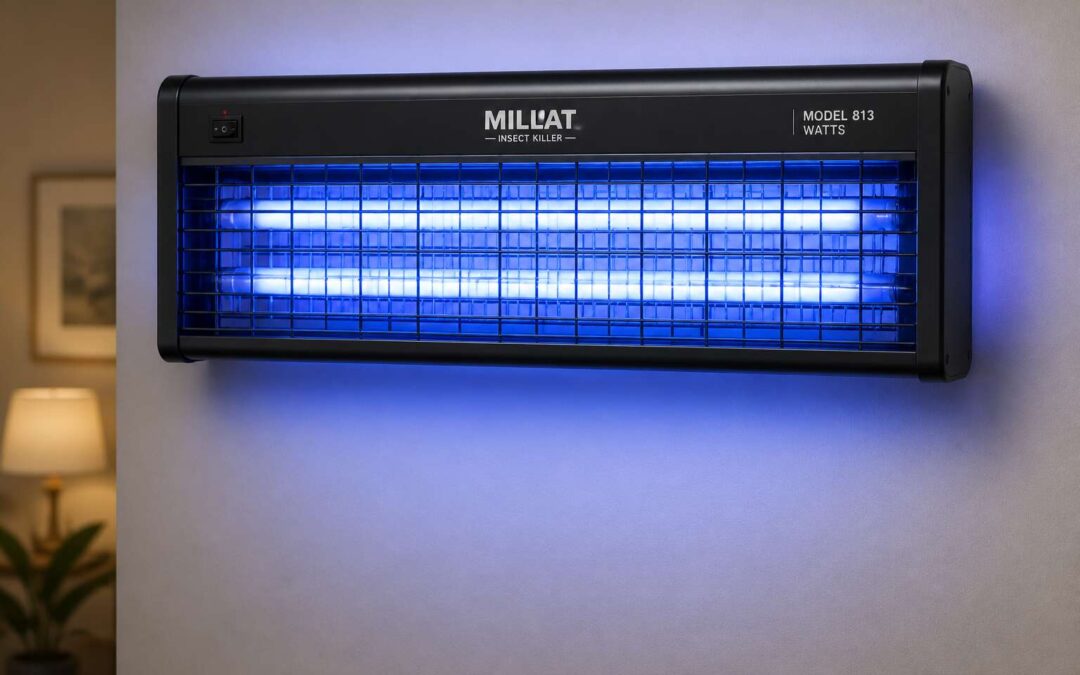
Electric insect killers are not a one size fits all solution. A unit with 813 watts of power draws attention, but the real question is whether that power translates to effective pest control in your space. The millat insect killer model 813 watts uses a high voltage grid to electrocute flying insects on contact. Its wattage determines how much area it can realistically cover.
The unit works by emitting ultraviolet light, which attracts moths, flies, and mosquitoes. Once they touch the charged mesh, the circuit completes. That sounds simple, but placement and surrounding light conditions matter. A bright veranda light will pull insects away from the trap.
- Wattage indicates energy consumption, not just killing power.
- Larger rooms demand higher wattage to maintain the light field.
- Regular cleaning of the grid preserves the unit’s efficiency.
For South African homes with open windows and long summer evenings, a reliable device makes a practical difference. The millat insect killer model 813 watts sits in that category, offering enough output for a medium sized room without becoming a power drain. It is honest equipment for an ordinary problem.
Key Features That Set This Device Apart
Most buzzing devices promise a spectacle, then deliver a weak flicker. This unit operates with a hushed assurance, a quiet guardian of your evenings. We admire its silent operation, especially during long Highveld nights or humid coastal summers. The 360 degree glow acts as a beacon, yet the design stays unobtrusive.
The true strength lies in the dedicated engineering. Here is what separates it from lesser machines:
– A robust 360 degree glow that attracts insects across a generous radius.
– A specific UV light spectrum tuned for common South African pests like mosquitoes and flies.
– A durable chassis built to handle daily use without complaint.
We have to admit, the sheer coverage from 813 watts of output feels like a secret weapon. It doesn’t just illuminate; it clears the air with decisive efficiency. This is a tool for real homes, not just test labs. The low decibel count means you forget it is there, right up until the patio stays peaceful.
Getting the Most Out of Your Insect Killer
South African summers arrive with a persistent buzz that grows louder each evening. The millat insect killer model 813 watts stands ready, yet its effectiveness depends on more than flipping a switch. Placement dictates performance. Set the unit near sliding doors and open windows, because insects enter from the outside. Its 813 watts generate a substantial zapping radius, but insects must first detect the lure.
That lure is light. The millat insect killer model 813 watts emits a specific ultraviolet wavelength designed to attract flying pests while remaining unobtrusive to your eyes. I have noticed that switching it on an hour before sunset, when mosquitoes begin their patrol, yields the best results. What a transformation! The rhythm of the insect world rewards patience, and the device performs best when allowed to work alongside it.
Comparing Insect Killers by Wattage and Design
Some shoppers fixate on wattage alone, but design controls where the light travels. The millat insect killer model 813 watts pairs a strong ultraviolet array with a shape built for corners or open walls. Lower wattage units produce a narrower glow and miss insects near the edges of a room.
Here is a quick comparison for South African homes:
- A generic 6 watt unit uses one small tube and covers roughly 25 square metres.
- The millat insect killer model 813 watts provides broader illumination and reaches damp zones near windows and doors.
The design also affects cleaning time. Wider grids gather dust faster, so the millat insect killer model 813 watts includes accessible clips that make removal simple.
Maintenance and Troubleshooting Guide
Your millat insect killer model 813 watts works hard through the Highveld summer, yet it rarely asks for anything in return. The one exception is maintenance. I have seen units fail unnecessarily because owners ignored the debris gathering around the internal grid. A soft cloth and mild soap does the job neatly. Just keep water away from the electrical housing, especially when storms roll in.
When the device hums but the glow fails, inspect the switch first. Loose wiring from frequent movement is the usual culprit. You may also check the transformer for scorched marks. This specific model handles surges well, but the wiring needs a firm seat.
- Unplug before any cleaning session
- Replace worn bulbs each season
- Listen for an unusual buzz that signals overload
Occasional stalling often traces back to a blocked inlet. Clear it gently with a dry brush.