
Why Choose a Budget-Friendly Insect Killer?
The whine of a mosquito at midnight is a sound I know too well. It is a small, persistent torment. Yet relief need not cost a fortune. A bug zapper under $15 can end the cycle of sleepless nights and chemical sprays.
These devices draw insects to their end with a flicker of light. For the cost of a single takeaway meal, you gain a measure of quiet. The price makes it easy to own several.
Consider what you get:
- A compact unit for the bedroom.
- A spare for the stoep.
- A gift for a neighbour who complains louder than you.
That is the appeal. Affordable pest control, without ceremony.
What to Look for in an Economical Flying Insect Trap
One persistent mosquito can sabotage a whole braai, and that’s why a bug zapper under $15 is worth considering. But before you click buy, you need to separate the functional from the flashy. Many cheap traps fail because they skimp on the very components that matter.
Start with the light source. A true ultraviolet bulb will outlast and outperform a cheap LED imitation. Also consider the voltage. Higher voltage kills faster, but it also draws more power. For a budget device, I look for a balance between coverage and safety.
- Check the grid spacing; too wide lets small insects escape.
- Look for a removable tray for easy cleaning.
Finally, think about placement! Near a doorway or window works best, not under bright competing lights.
Top Types of Inexpensive Electric Insect Eliminators
There is a certain satisfaction in watching a mosquito meet its electric end. In South Africa, summer evenings practically demand it. A bug zapper under $15 will not solve load shedding or the nation’s love for braais, but it will reduce airborne chaos around your cooler box.
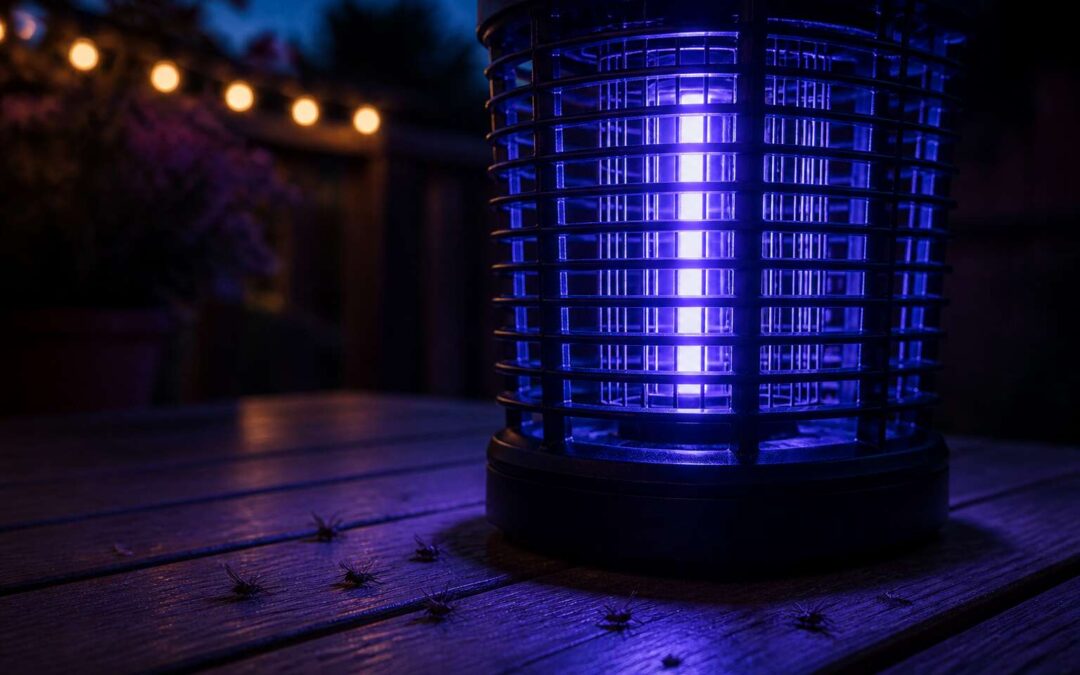
The main archetypes of cheap electric eliminators are three. The racket demands swinging with conviction and hand-eye coordination. The lantern is a self-contained pillar of purple light that lures and fries in one motion. The plug-in wall unit is lazy and effective, asking only for a socket.
- Racket zappers: active hunting, satisfying snap
- Lantern zappers: passive and ambient
- Plug-in units: set and forget, ideal for bedrooms
Each has its own failure modes. Rackets miss. Lanterns attract moths that clog the grid. Plug-ins require you to trust a transformer. For the price, a bug zapper under $15 beats a rolled-up newspaper and a prayer.
How to Maximize the Performance of Your Low-Cost Device
My back porch draws mosquitoes every evening. The swarm returns at dusk, and I rely on a bug zapper under $15. Forget the premium brands. The real power sits in how you treat the budget unit.
Start with placement. Your bug zapper needs to work where mosquitoes actually fly. If you mount it near a bright lamp or right next to people, you split its attention. Keep it roughly five metres from the gathering spot. That spacing lets the UV tube pull insects away from you without competing with other light sources.
- Clean the collection tray weekly; a full tray blocks new kills.
- Wipe the grid with a dry cloth every few days.
- Run the unit for two hours after sunset, the peak activity window.
These small habits multiply the output of any low-cost zapper. One week of proper care beats a month of neglect. Trust me, your evenings get quieter.
Common Questions About Affordable Insect Zappers
Does a budget device actually work? That is the first question South Africans ask about a bug zapper under $15. The answer depends on the size of your patio and the species of mosquito. These compact units use a small ultraviolet lamp to lure insects. Then a charged grid vaporises them. Some models are electric, while others rely on glue boards. We gathered the most common queries from our readers.
- Will it cover an entire garden?
- How often must I clean the tray?
- Is it safe to leave on all night?
A bug zapper under $15 works best in a confined space. You cannot clear a large yard. For a braai area or a small bedroom, it is a clever addition. Battery life varies. Some units last ten hours. Others run on mains power with a short cable. Check the wattage before you buy.